Analyzing Multi-Level Reward Structures in Mobile Gaming Ecosystems and Retention Outcomes
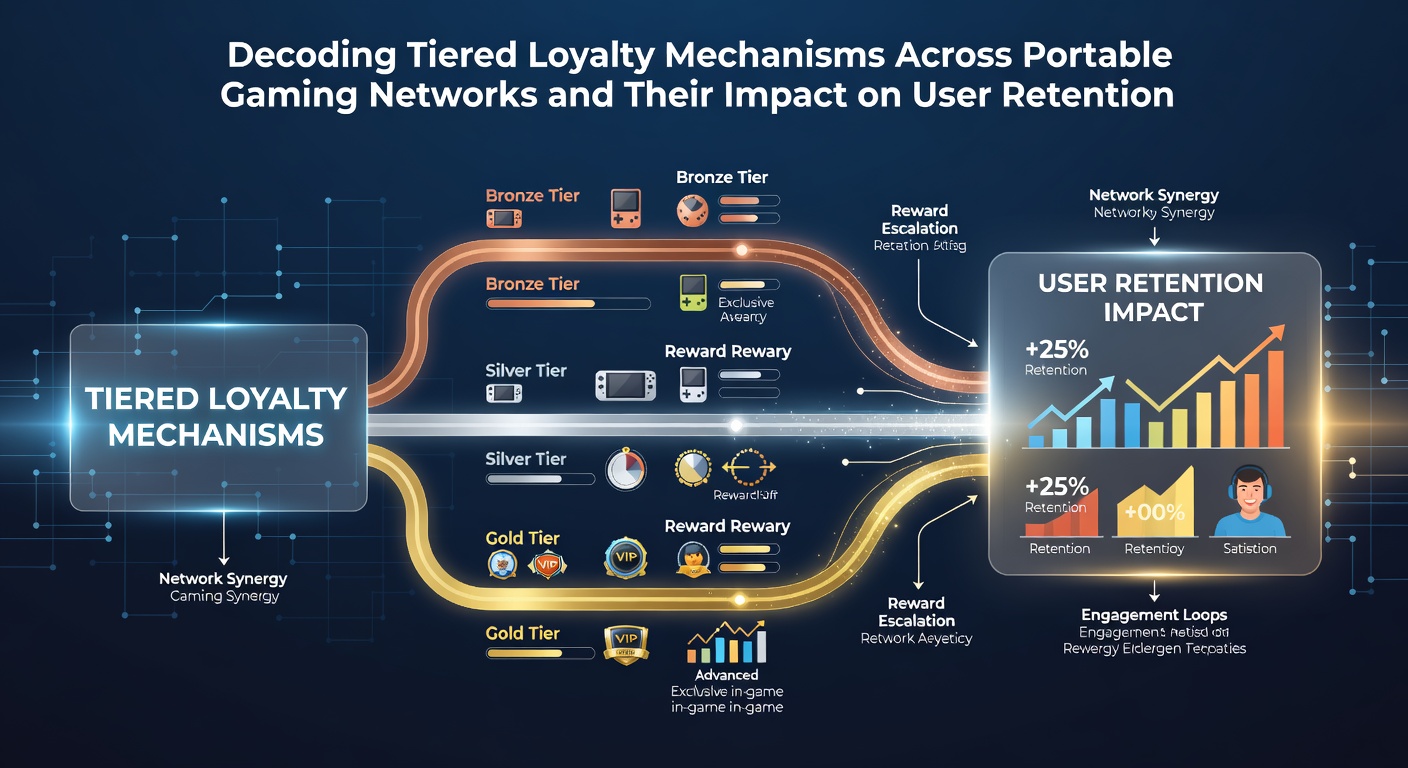
Portable gaming networks have adopted tiered loyalty mechanisms that assign users to progressive levels based on activity metrics such as session duration, in-game purchases, and social engagement, and these structures influence how players maintain long-term participation across devices. Researchers tracking mobile platforms note that entry-level tiers typically grant basic perks like daily login bonuses while higher tiers deliver customized experiences including priority matchmaking and exclusive content drops. Data from industry reports shows retention rates climbing when users perceive clear advancement paths that reward consistent interaction without requiring excessive spending.
Analysts examining cross-platform networks find that points accumulation formulas often combine time-based credits with achievement multipliers, which allows casual participants to reach mid-tier status within weeks whereas dedicated users accelerate through algorithmic bonuses tied to community contributions. This layered approach creates momentum because each promotion unlocks tools that enhance gameplay efficiency, and studies from academic sources confirm that visible progress indicators reduce churn during initial engagement phases. Observers note networks operating in multiple regions integrate these systems differently yet achieve similar patterns where retention improves by measurable percentages after tier introductions.
Mechanics Behind Tier Progression in Portable Environments
Developers design these systems around modular reward ladders that scale with user investment, and portable networks benefit particularly because cloud-synced accounts let players continue accumulating status while switching between smartphones and tablets. Points systems frequently incorporate seasonal resets that preserve historical achievements, which prevents long-term users from losing ground and maintains engagement cycles throughout the year. As of May 2026 network operators report that hybrid models blending free-to-play and premium elements generate higher average session lengths once users cross into silver or equivalent mid-levels.
Experts at research institutions have documented how algorithmic adjustments respond to regional preferences, with North American platforms emphasizing competitive leaderboards while European counterparts prioritize collaborative milestones, and these variations still produce consistent retention lifts according to aggregated user data. The structure encourages organic sharing because tier-specific achievements often include shareable badges that expand network effects across social features.
Retention Patterns Linked to Tiered Incentives
Figures from gaming analytics firms reveal that users who advance at least one tier within the first month demonstrate retention extending three times longer than those remaining at base levels, and this correlation holds across genres from strategy titles to casual puzzle networks. Networks achieve these outcomes by timing reward deliveries to coincide with potential drop-off points, such as post-tutorial plateaus, while data indicates personalized offers based on tier history further stabilize participation rates. Australian research centers tracking digital entertainment consumption have published findings that link structured loyalty ladders to sustained revenue per user without corresponding increases in complaint volumes.
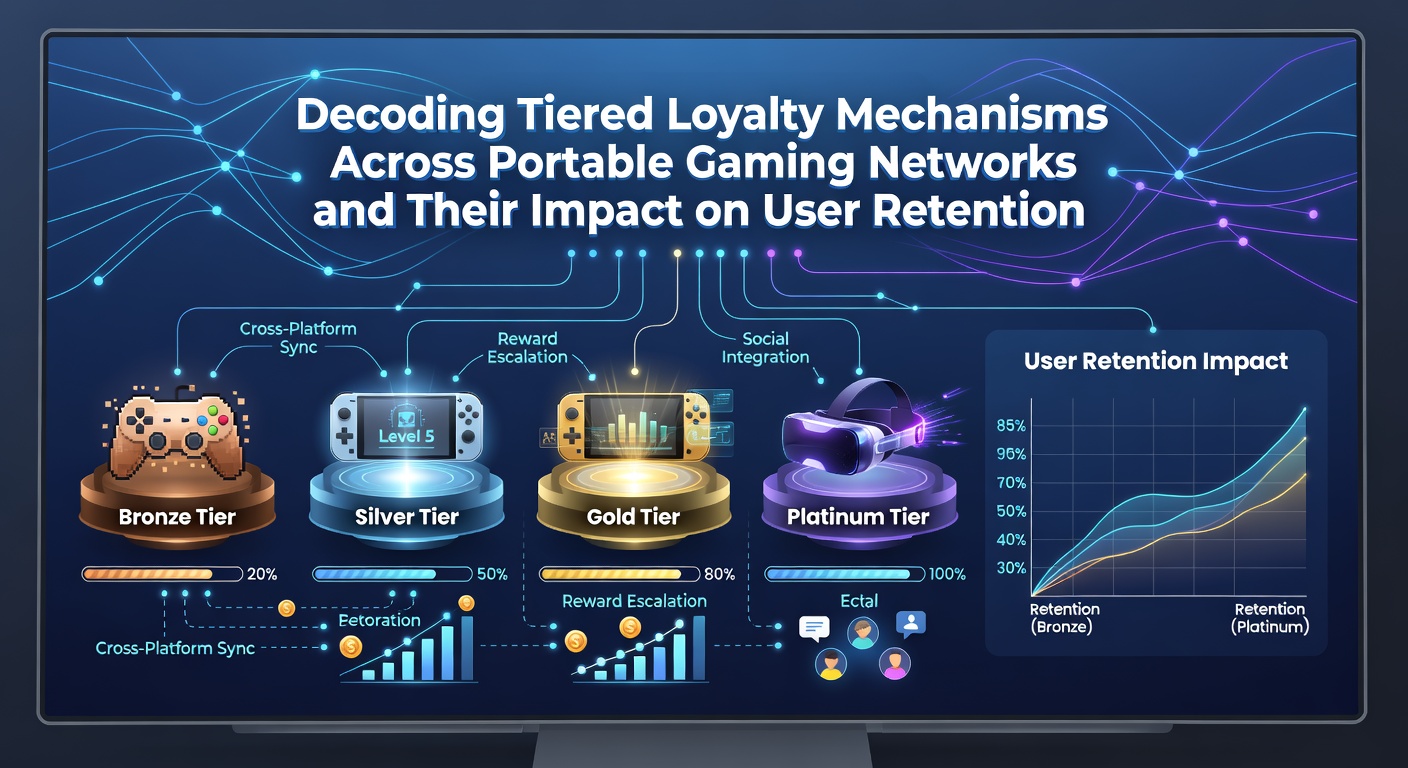
Case examples from established portable platforms illustrate how mid-tier users receive early access to beta features that foster ownership feelings, and this access translates into voluntary community moderation roles that indirectly boost overall network health. Retention improves further when systems allow tier downgrades to be reversed through targeted reactivation campaigns, which prevents permanent loss of established players who experience temporary lulls in activity.
Comparative Approaches Across Global Mobile Networks
Canadian gaming associations have compiled comparative studies showing that networks with transparent tier criteria retain users at rates exceeding those with opaque progression rules, and transparency often manifests through in-app progress trackers updated in real time. Meanwhile operators in Asia-Pacific regions blend loyalty tiers with cultural event tie-ins that refresh reward pools quarterly, and this practice aligns advancement opportunities with local calendars to sustain interest. Observers tracking these implementations note portable networks gain advantages from cross-device notifications that remind users of upcoming tier milestones regardless of their current location or device.
One study revealed networks experimenting with tier fusion mechanics, where players from different regions can combine progress temporarily for joint events, produce measurable spikes in daily active users that persist beyond the event window. Such collaborative features demonstrate how tiered systems extend beyond individual incentives to create network-wide retention effects.
Conclusion
Tiered loyalty mechanisms continue evolving within portable gaming networks as operators refine algorithms based on retention metrics collected through 2026, and evidence suggests these structures deliver sustained user engagement when balanced between accessibility and aspirational rewards. Regulatory bodies in various jurisdictions monitor these systems for fairness, while academic reviews provide ongoing benchmarks that help networks adjust parameters without compromising player experience. The patterns observed indicate that successful implementations prioritize clear communication of benefits alongside flexible pathways that accommodate diverse playstyles across global user bases.