Citigroup Analysts Project Modest Contraction in Macau Gaming Sector During Second Quarter of 2026

Citigroup analysts released their latest assessment of Macau's gaming landscape on July 11 2026 and their figures point to a 7 percent year-on-year contraction in industry EBITDA for the second quarter of 2026, bringing the total to roughly US$1.92 billion, a level that would represent the weakest quarterly result since the third quarter of 2024.
Breakdown of Projected Figures
The same report places gross gaming revenue at MOP$61.0 billion for the period, a sum that would stand as the lowest since the first quarter of 2025, while EBITDA margins are expected to compress by 1.5 percentage points to approximately 25.8 percent, outcomes that analysts attribute to overlapping seasonal factors and operational headwinds rather than any structural change in demand.
Key Drivers Behind the Forecast
Two primary elements receive emphasis in the analysis: the timing of the football World Cup, which historically diverts attention from casino floors across Asia, and persistently unfavorable hold rates that have already begun to influence operator performance in the current quarter. Observers note that these variables often coincide during major sporting cycles, producing temporary but measurable pressure on both top-line revenue and bottom-line margins.
Market participants have already incorporated much of this outlook into valuations, according to the Citi team, which suggests the negative sentiment surrounding the quarter has largely been priced into share movements ahead of the actual results. That positioning leaves room for sharper rebounds once the calendar shifts into the second half of the year.
Anticipated Recovery Path
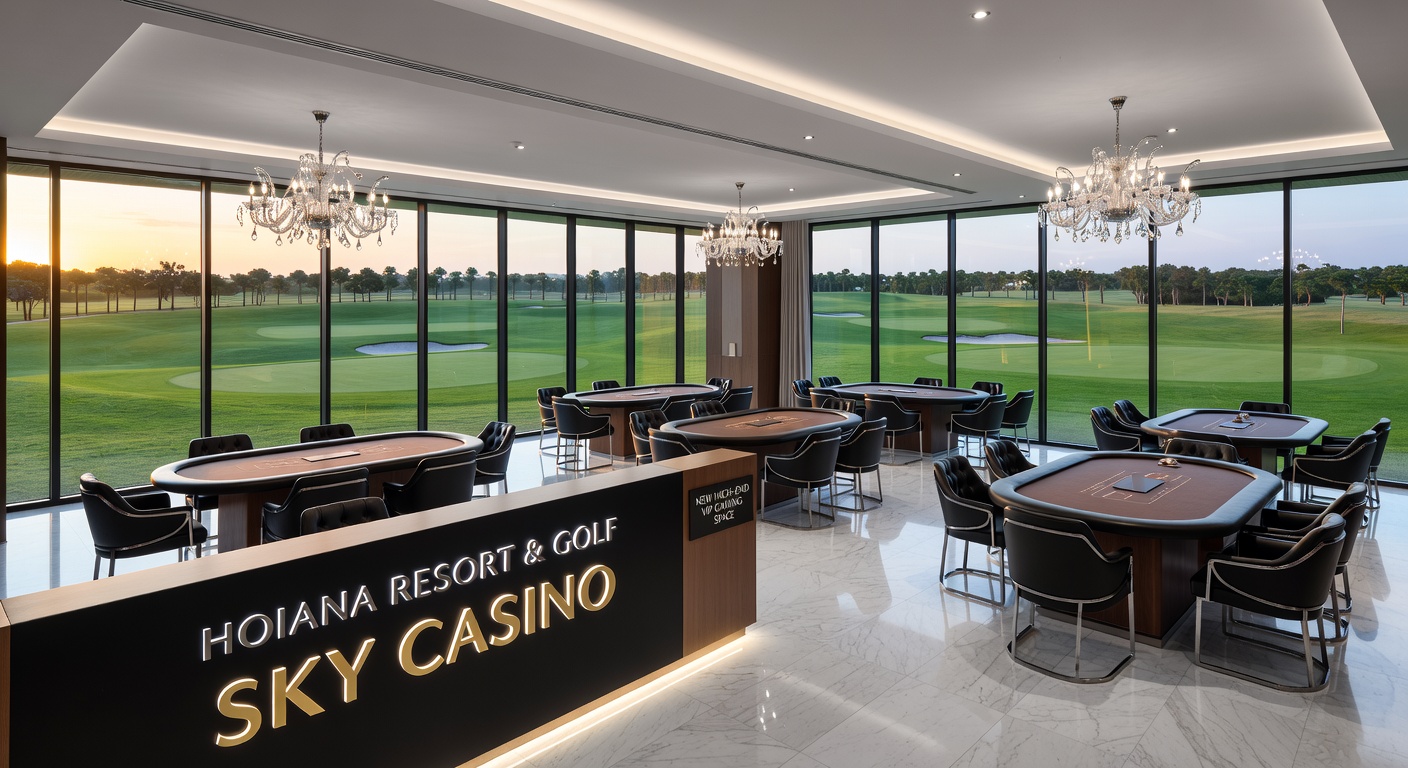
Looking ahead, the analysts highlight a robust events calendar for the third and fourth quarters that includes several large-scale conventions, entertainment productions, and holiday periods expected to draw incremental visitation. Historical patterns show that such concentrated programming tends to lift both gross gaming revenue and hold-normalized EBITDA once external distractions subside, and the Citi forecast anticipates a similar trajectory unfolding after the second-quarter trough.
Data compiled by the research desk also indicates that operator guidance released in recent weeks has already begun to reference these seasonal dynamics, with several integrated resort groups noting elevated forward bookings for the latter part of 2026. The combination of pre-priced sentiment adn scheduled programming creates a setup in which the second-quarter softness could serve as a baseline rather than a new trend.
Context Within Recent Performance Trends
Macau's gaming recovery since the post-pandemic reopening has featured quarterly fluctuations tied to both global events and domestic hold volatility, yet aggregate visitor arrivals have remained resilient through 2025 and into mid-2026. The Citi projection aligns with that pattern by isolating the second-quarter dip as a discrete, event-driven occurrence rather than a reversal of broader momentum.
Industry stakeholders monitoring daily metrics report that table-game hold percentages have remained below long-term averages for several consecutive months, an environment that amplifies the impact of any concurrent reduction in foot traffic. When these conditions converge with a major international sporting tournament, the resulting EBITDA compression matches the magnitude outlined in the current forecast.
Conclusion
The Citigroup outlook therefore frames the second quarter of 2026 as a temporary low point within an otherwise constructive trajectory, one that market participants appear prepared to navigate given the anticipated strength of the subsequent quarters. As results materialize over the coming months, attention will shift toward confirming whether the expected rebound materializes in line with the events-driven calendar cited in the analysis.