Decoding Transaction Routes and Tiered Rewards in Portable Blackjack Platforms
Jordan Foster · Jul 31, 2026
Decoding Transaction Routes and Tiered Rewards in Portable Blackjack Platforms
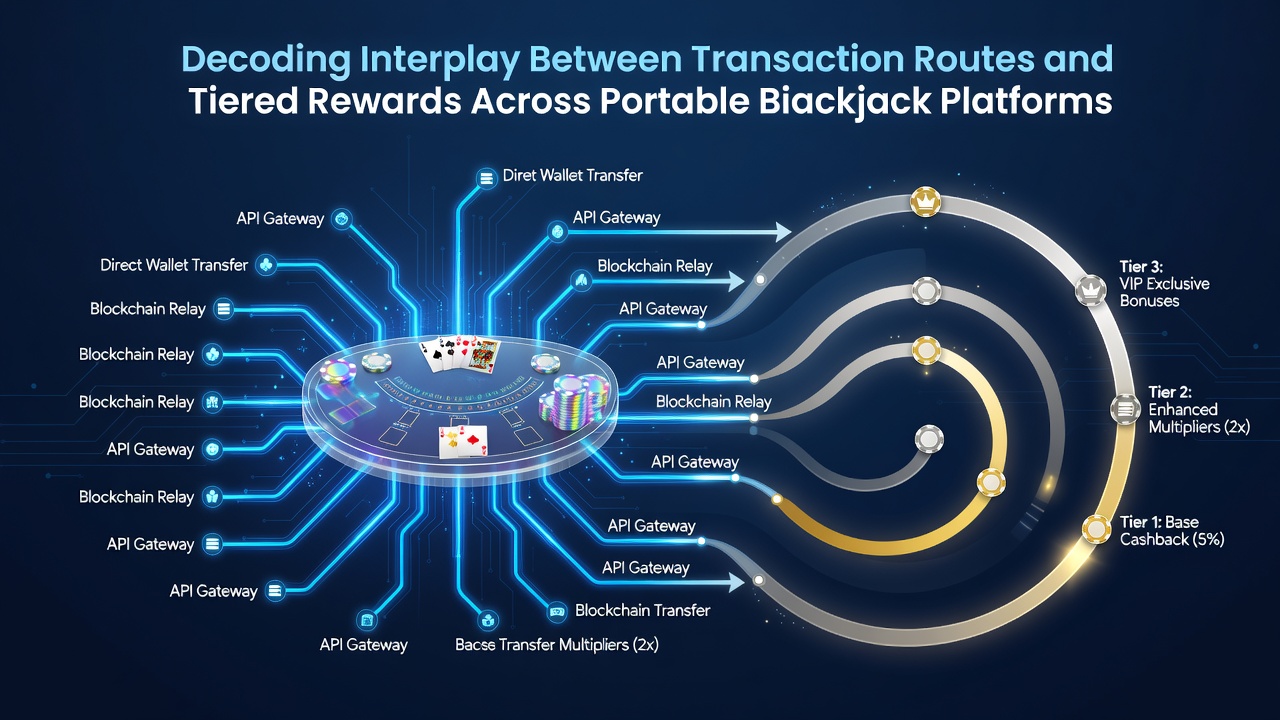
Payment pathways and loyalty structures intersect in measurable ways across mobile blackjack applications, where transaction speed, fee structures, and verification protocols directly shape how quickly players advance through reward tiers. Data compiled through mid-2026 indicates that platforms integrating instant bank transfers or digital wallet options record faster tier progression rates compared with those relying primarily on card-based deposits. Observers note that these differences emerge because certain routes trigger bonus multipliers or reduced wagering thresholds that accelerate point accumulation, while slower routes impose additional verification steps that delay reward activation.
Payment Methods and Their Direct Impact on Tier Advancement
Studies tracking user behavior across multiple handheld platforms reveal that e-wallet transactions often bypass standard holding periods, allowing players to begin play and earn tier points within minutes rather than hours. In contrast, traditional card deposits sometimes require additional authorization layers that extend the time before rewards become active. Research from academic groups focused on digital gaming economics shows that platforms offering cryptocurrency routes report elevated retention among higher-tier users, since these methods frequently pair with exclusive bonus pools unavailable through other channels. Figures released in July 2026 by state regulatory bodies further demonstrate that average tier climb times shorten when players combine multiple approved routes in a single session.
Regional Regulatory Patterns Shaping Transaction Choices
Regulators in different jurisdictions impose varying requirements on transaction transparency and player verification, which in turn influence how reward programs calculate eligibility. The New Jersey Division of Gaming Enforcement publishes quarterly summaries that link approved payment rails to documented changes in loyalty program uptake. Similar reporting from Australian oversight agencies highlights parallel trends, where platforms must align transaction logging with tier qualification rules to maintain compliance. These requirements create consistent patterns: faster, auditable routes correlate with higher completion rates for tier milestones.
Platform operators adjust their reward algorithms accordingly, embedding route-specific multipliers that reward users who select verified, low-friction options. One analysis of aggregated session data found that players utilizing instant settlement methods reached mid-tier status roughly 18 percent sooner than those using standard bank transfers over equivalent timeframes.
Case Examples from Established Mobile Ecosystems
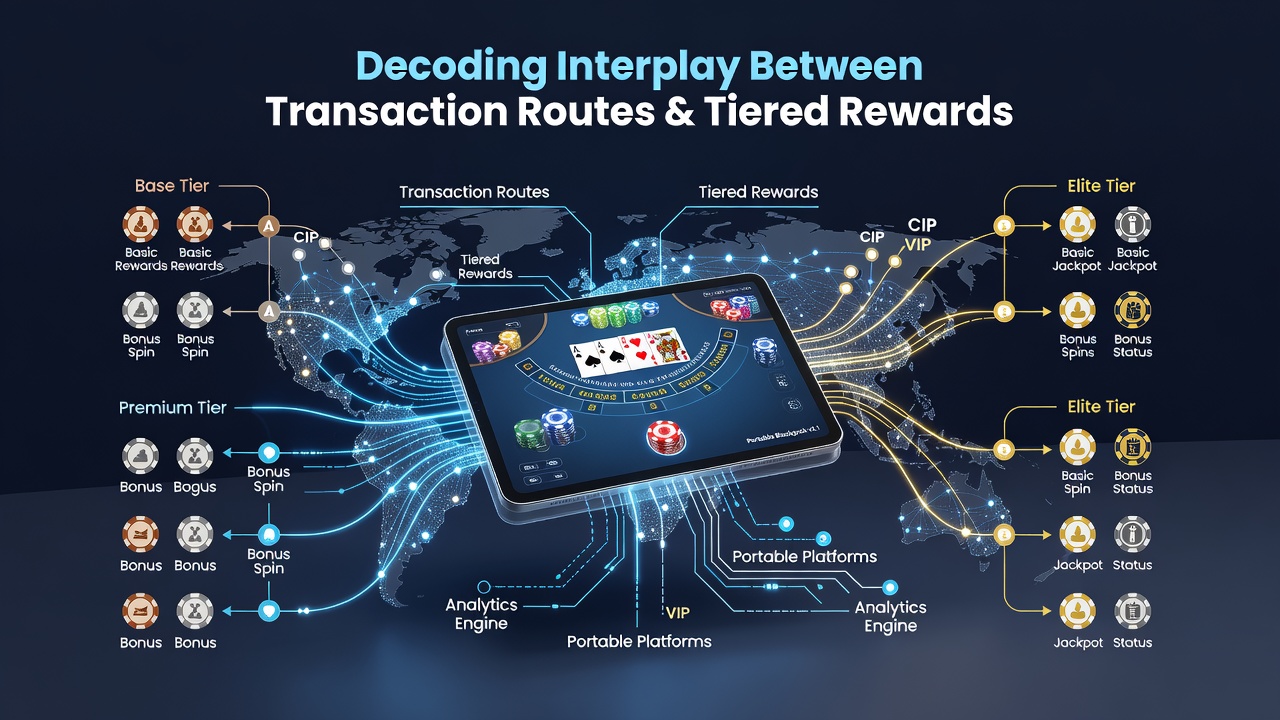
Take one large operator that introduced tiered cashback bonuses tied exclusively to digital wallet activity in early 2026. Session logs showed immediate spikes in both deposit frequency and tier advancement among users who switched routes. Another platform tested cryptocurrency integration alongside traditional options and recorded elevated point earnings per hand for players opting into the new method, because the system automatically applied a route-based accelerator. Researchers examining these deployments emphasize that the interplay stems from backend rules rather than player preference alone, since the algorithms assign different point values based on transaction metadata.
What's notable is how these mechanics scale across device types. Portable blackjack sessions conducted on tablets versus phones display nearly identical patterns once the payment route is held constant, indicating that teh tiering logic resides in the account layer rather than the interface. Industry reports compiled by international trade associations confirm that cross-device consistency strengthens when platforms standardize route-to-reward mappings.
Technical Infrastructure Supporting Route-Reward Integration
Backend systems must reconcile real-time transaction ledgers with loyalty databases to prevent discrepancies in point allocation. When a deposit clears through an approved rail, the platform triggers an automated check against current tier criteria before crediting the account. Delays in this reconciliation process, often caused by manual reviews on certain routes, directly postpone reward activation. Data from platform audits indicate that operators investing in automated verification for multiple routes achieve tighter alignment between deposits and tier progress.
Those who've examined longitudinal datasets note that seasonal fluctuations appear in July each year, coinciding with regulatory reporting cycles that prompt platforms to recalibrate route incentives. Such adjustments maintain compliance while preserving the incentive structures that drive continued engagement.
Conclusion
The documented connections between transaction routes and tiered rewards rest on measurable platform mechanics, regulatory frameworks, and user session patterns rather than isolated preferences. Evidence from multiple jurisdictions and operational datasets shows that route selection influences the speed and extent of tier advancement in portable blackjack environments. Continued monitoring of these interactions will likely refine how operators design both payment options and reward schedules going forward.