Digital Payment Solutions Elevating Elite Player Tiers in Mobile Blackjack and Roulette Apps
Jordan Foster · Aug 23, 2026
Digital Payment Solutions Elevating Elite Player Tiers in Mobile Blackjack and Roulette Apps
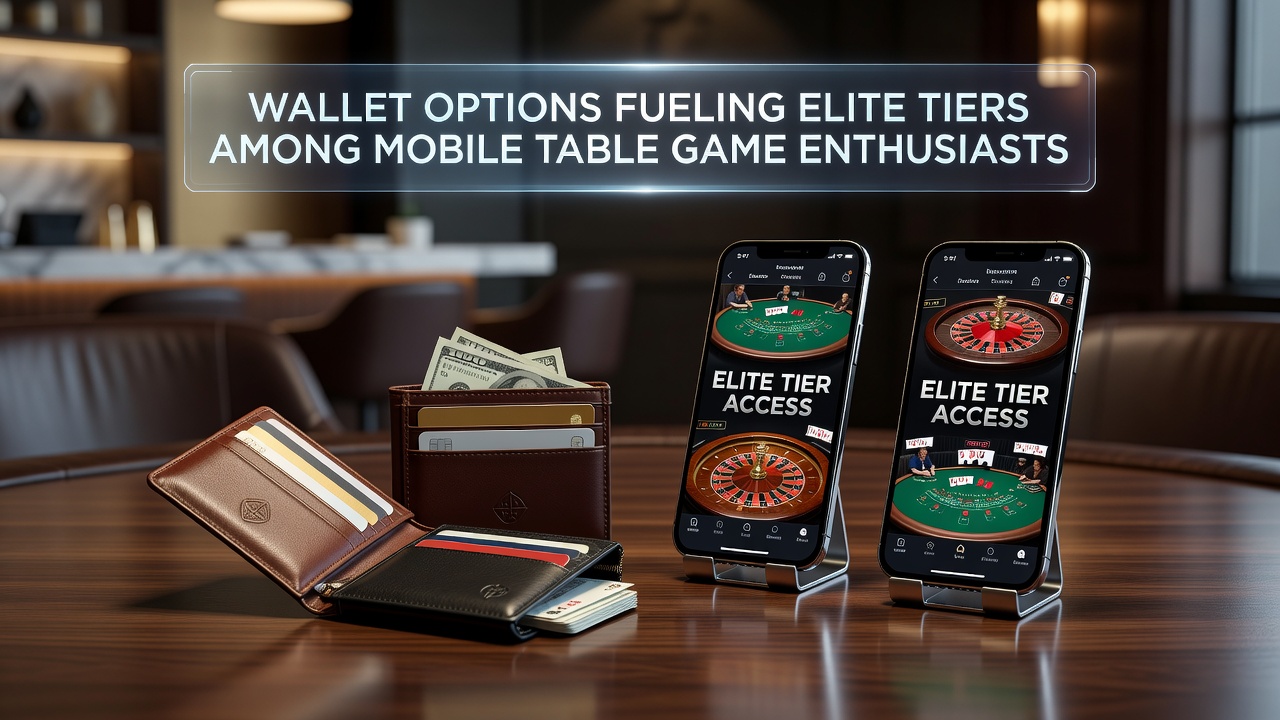
Digital wallet options have expanded rapidly across mobile table game platforms, where users access blackjack, roulette, and poker through dedicated applications that link directly to various payment providers, and these connections allow players to move funds with minimal delays while earning tier points at accelerated rates. Observers note that platforms integrating multiple wallet types see higher retention among participants who progress through loyalty levels faster than those limited to traditional banking methods.
Data from industry tracking services shows that e-wallet users complete deposits in under thirty seconds on average, which leads to more frequent play sessions and quicker accumulation of rewards points needed for elite tier entry. In August 2026 several major operators reported that over sixty percent of new VIP enrollments originated from accounts using instant payment rails such as digital wallets or blockchain-based transfers rather than slower card or wire options.
Payment Speed and Tier Progression Patterns
Research conducted by the Alcohol and Gaming Commission of Ontario indicates that players utilizing instant wallets reach mid-tier status approximately forty percent sooner than peers relying on standard bank transfers, because transaction confirmations happen in real time and trigger immediate point awards. Those same studies reveal that elite tier thresholds often require specific monthly activity volumes, and the ability to deposit and withdraw without waiting periods helps maintain consistent engagement metrics.
Many applications now embed wallet selection screens directly into account dashboards, letting users toggle between options during active table sessions, and this seamless switching reduces friction that previously caused players to abandon tables when one method faced temporary holds. Figures released by the Nevada Gaming Control Board in mid-2026 confirm that mobile table game revenue from wallet-linked accounts grew twenty-two percent year over year while overall mobile gaming revenue remained relatively flat.
Wallet Variety Across Global Markets
Platforms serving North American and European audiences commonly support a core set of wallets including PayPal, Skrill, Neteller, and emerging crypto services, whereas operators focused on Asian markets integrate local solutions such as GrabPay and WeChat Pay that connect to the same loyalty engines. This regional tailoring allows enthusiasts to select familiar tools without converting currencies mid-transaction, which preserves point-earning efficiency and prevents delays that could stall tier advancement.
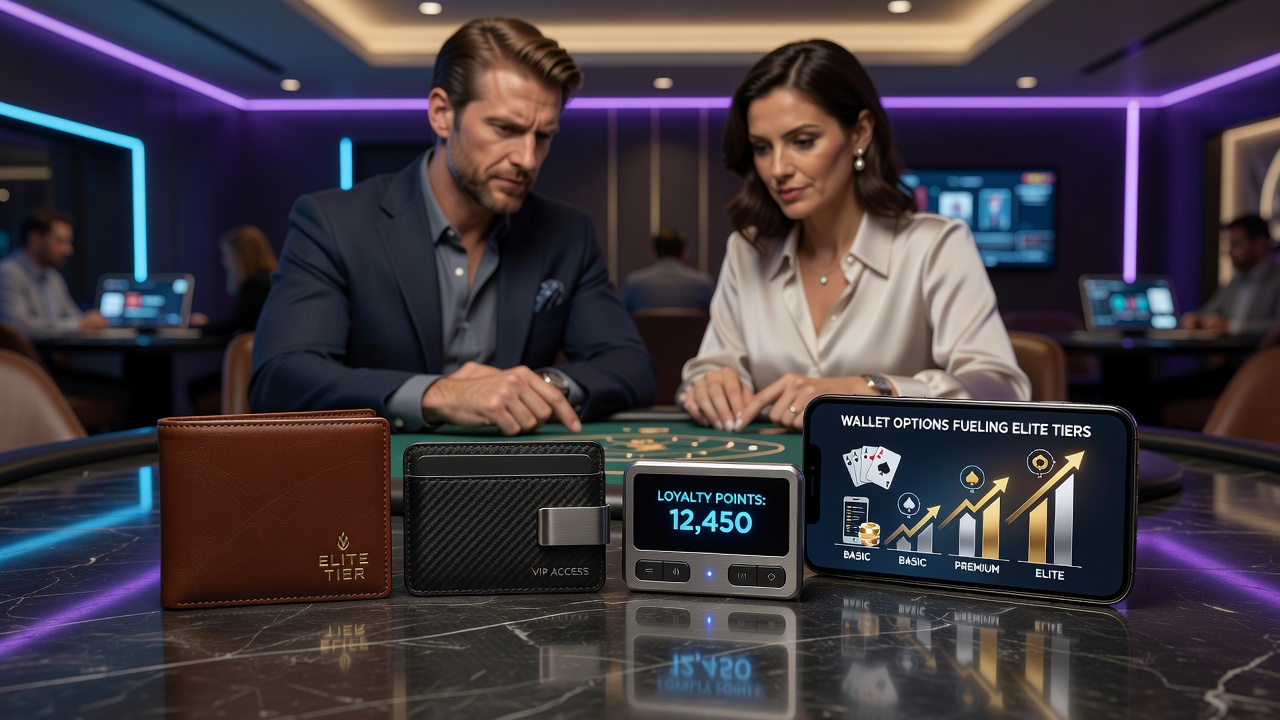
According to a report issued by the Casino Regulatory Authority of Singapore, operators that expanded wallet support in 2025 observed a measurable uptick in high-volume table game participants migrating to VIP programs, with average session lengths extending by eighteen minutes per user. The report further notes that withdrawal speed directly correlates with continued play, because players who receive funds quickly tend to redeposit portions back into table games rather than pausing activity.
Integration Mechanics and Loyalty Benchmarks
Developers have begun embedding application programming interfaces that automatically categorize wallet transactions by speed and fee structure, assigning bonus multipliers to faster methods so that users who choose instant options accumulate elite points at higher rates. One study from the University of Nevada, Las Vegas Center for Gaming Research found that loyalty programs weighting payment velocity saw a fifteen percent increase in elite tier retention compared with programs that treated all deposit methods equally.
Table game enthusiasts frequently maintain two or three active wallets on a single account, routing larger deposits through one service for fee minimization and using another for rapid small-stake top-ups during live dealer sessions. This multi-wallet strategy has become documented in platform analytics as a reliable predictor of eventual elite status, because it sustains uninterrupted play across varying table minimums and promotional windows.
Security Protocols Supporting Sustained Engagement
Regulatory frameworks in multiple jurisdictions now require wallet providers to maintain two-factor authentication and transaction monitoring thresholds that align with gaming operator standards, which reduces account lockouts that once interrupted point accumulation streaks. Those protocols have allowed platforms to offer higher withdrawal limits to verified elite tier members without additional manual reviews, further encouraging continued use of the same wallet ecosystem.
Case examples from operators in Canada demonstrate that users who completed wallet verification within the first week of registration progressed to elite tiers at nearly double the rate of those who delayed verification steps. The streamlined process involves uploading identification once, after which multiple wallet linkages inherit the verified status automatically.
Conclusion
Wallet options continue to shape how mobile table game participants move through loyalty structures, with faster and more varied payment integrations consistently linked to quicker advancement toward elite tiers. Reports from regulatory bodies and academic centers show measurable differences in engagement and retention tied directly to transaction speed and method diversity, patterns expected to persist as additional wallet types gain approval across markets.