Digital Wallets and Tiered Rewards Converge Across Mobile Table Game Platforms
Petra Reed · Aug 23, 2026
Digital Wallets and Tiered Rewards Converge Across Mobile Table Game Platforms
Portable table game ecosystems have expanded rapidly as operators link digital wallet transactions directly to multi-level loyalty structures, creating seamless pathways for players to advance through reward tiers while engaging with blackjack, roulette, and baccarat on handheld devices. Research from multiple gaming jurisdictions shows that payment speed and reward activation now operate as interconnected systems rather than separate functions, with data from August 2026 indicating measurable shifts in how users accumulate points during live dealer sessions accessed via smartphones and tablets.
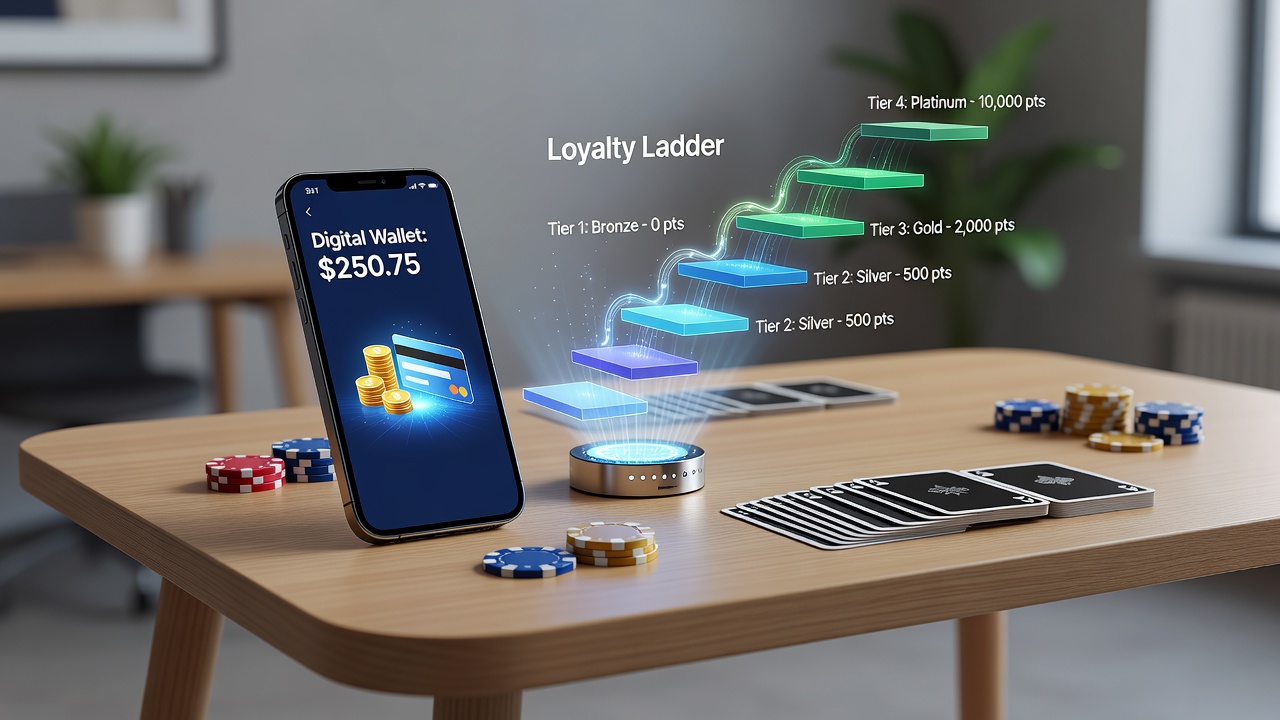
Operators deploy digital wallets such as Apple Pay, Google Pay, and various e-wallet providers to reduce transaction friction, allowing deposits to register instantly and trigger loyalty point calculations without manual intervention. Studies conducted across North American markets reveal that these integrations shorten the time between funding an account and earning tier credits, which in turn accelerates progression through bronze, silver, gold, and platinum levels common in mobile casino applications. Figures from regulatory filings demonstrate that platforms incorporating these links report higher average session durations compared to those relying on traditional card processing alone.
Mechanics of Wallet-Driven Loyalty Activation
Digital wallets feed directly into backend loyalty engines by transmitting transaction metadata that includes amount, timing, and game category, enabling automatic allocation of points scaled to table game activity. In mobile environments, this process occurs within seconds of a wager settlement, updating progress bars visible on player dashboards for blackjack variants or roulette wheel sessions. Observers note that the architecture supports real-time tier evaluation, where cumulative spend thresholds unlock benefits such as cashback percentages or exclusive tournament entries without requiring players to navigate separate menus.
One documented approach involves percentage-based point multipliers tied to wallet type, where certain providers award bonus credits upon deposit that count toward loyalty ladders. Data compiled by research institutions tracking user behavior in portable ecosystems shows these multipliers influence retention metrics, particularly among users who engage with multiple table game formats during a single session. The system architecture also accommodates geographic variations, adapting to local payment preferences while maintaining consistent reward logic across regions.
Regional Implementation Patterns in August 2026
By August 2026, several jurisdictions had updated compliance frameworks to address how digital wallet data interfaces with loyalty tracking systems in mobile table game offerings. Regulatory bodies in Nevada and New Jersey released aggregated statistics showing increased adoption of instant payment methods coinciding with expanded tier structures. Meanwhile, Australian industry reports highlighted similar trends, noting that operators integrating wallet solutions observed faster tier climbs among players favoring roulette and baccarat applications on tablets.
These developments reflect broader infrastructure investments by software providers who embed API connections between payment processors and loyalty databases. According to analyses from the Nevada Gaming Control Board, transaction logs from mobile table game platforms indicate that wallet-enabled deposits correlate with elevated point accumulation rates during peak evening hours. Similar patterns appear in Canadian provincial data, where loyalty ladder progression metrics improved after operators introduced support for additional digital payment channels.
Impact on Player Engagement and Platform Metrics
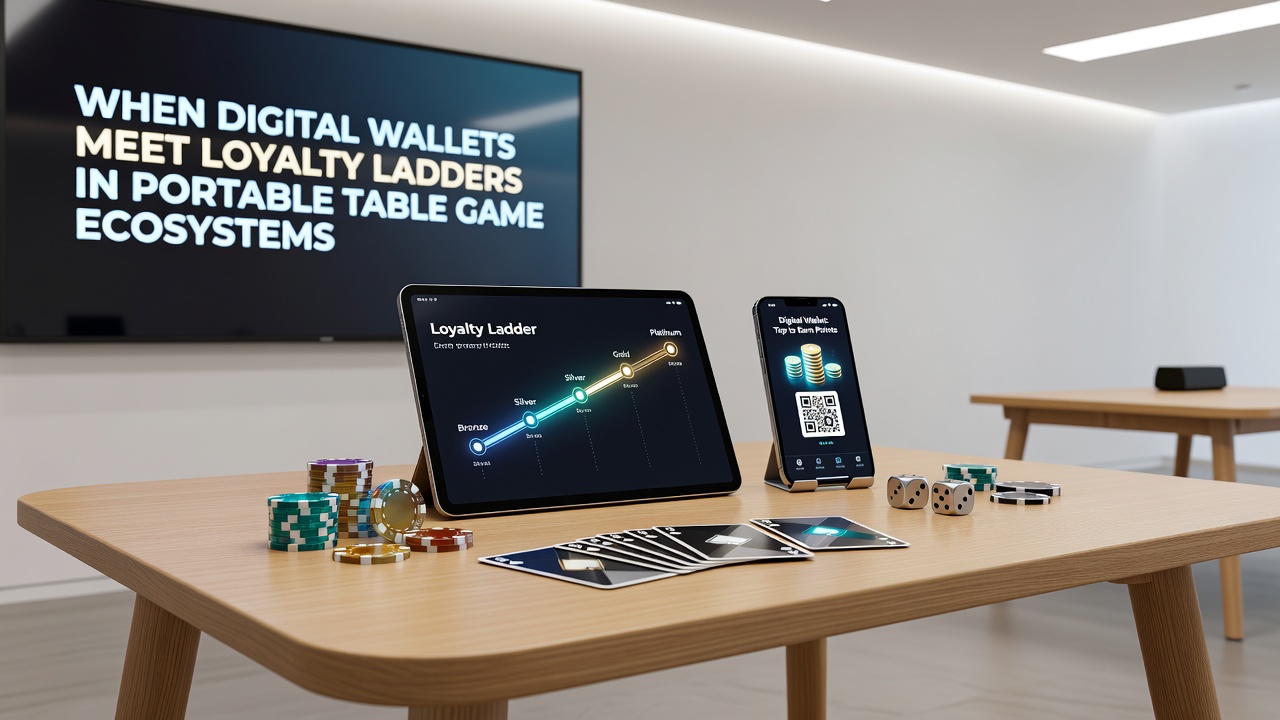
Platform operators track several key indicators to evaluate the effectiveness of combining digital wallets with loyalty ladders, including deposit frequency, average wager size per table game round, and time spent advancing between tiers. Research indicates that mobile users who connect digital wallets complete loyalty milestones at rates exceeding those using slower funding methods, particularly in hybrid environments where live dealer tables run alongside virtual variants. This acceleration stems from reduced interruptions between funding and gameplay, allowing continuous point generation across extended sessions.
Case examples from European operators demonstrate that tiered reward visibility within wallet-integrated apps leads to sustained engagement, as players receive immediate notifications upon reaching new levels. Data from academic studies on mobile gaming retention further supports these observations, showing correlations between payment convenience and long-term activity in table game sections. The patterns hold across different device types, with tablet users exhibiting comparable progression speeds to smartphone participants when wallet features remain consistent.
Technical Considerations for Seamless Integration
Developers face specific challenges when aligning digital wallet protocols with loyalty algorithms, particularly around data security and synchronization across distributed servers. Solutions often involve encrypted transaction tokens that carry loyalty metadata without exposing sensitive financial details, ensuring compliance while maintaining real-time updates. Industry organizations such as the Gaming Standards Association have published guidelines addressing these interfaces, emphasizing standardized formats that facilitate cross-platform compatibility in portable ecosystems.
Testing protocols in August 2026 revealed that optimized integrations reduce latency between wallet confirmation and loyalty point crediting to under two seconds, minimizing player friction during table game rounds. These technical refinements support more complex reward structures, including personalized tier pathways based on historical game preferences in blackjack or roulette environments.
Conclusion
The convergence of digital wallets and loyalty ladders continues to reshape portable table game ecosystems through automated point allocation, regional regulatory alignment, and refined technical connections. Evidence from multiple markets demonstrates consistent links between payment speed and tier advancement rates, with August 2026 data underscoring ongoing evolution in mobile application design. As operators refine these systems, the focus remains on measurable outcomes in engagement and progression metrics across diverse player bases.