E-Wallet Speed Variations and Their Effects on VIP Qualification Criteria in Mobile Casino Networks
Parker Keller · Aug 26, 2026
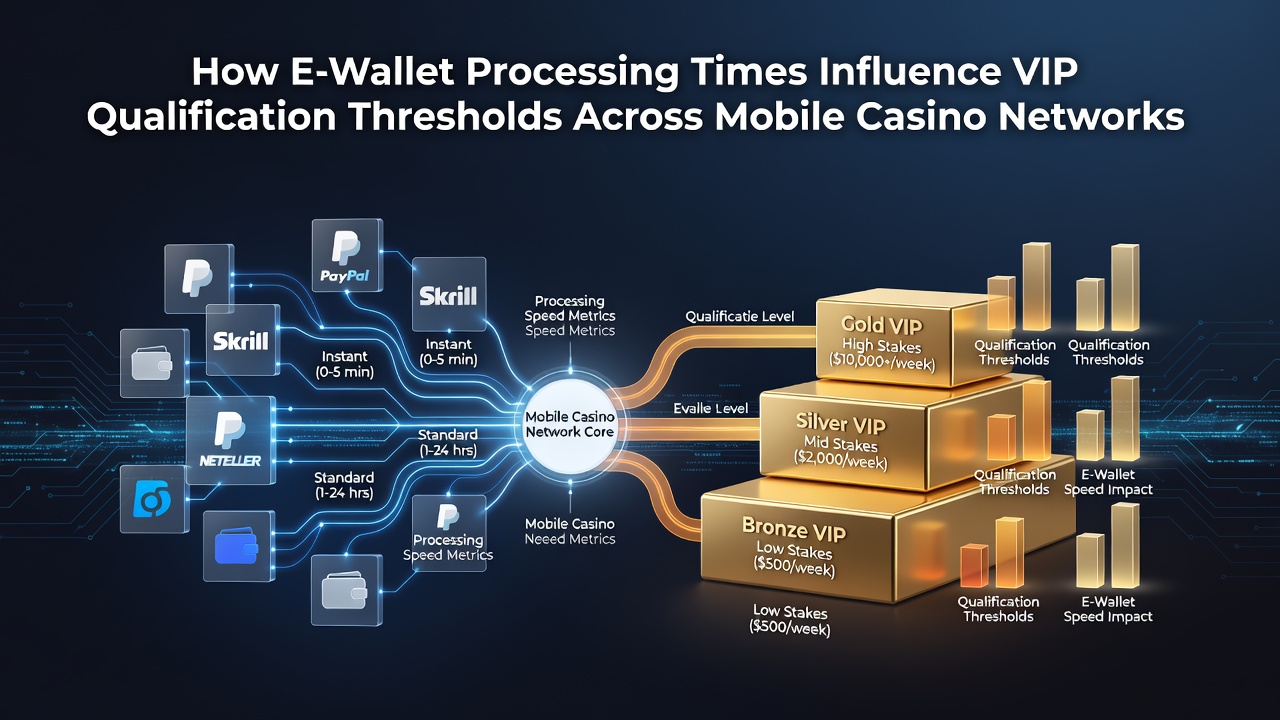
E-Wallet Speed Variations and Their Effects on VIP Qualification Criteria in Mobile Casino Networks
Mobile casino networks depend on e-wallet platforms to move funds quickly between player accounts and operator systems, and processing durations vary widely across providers such as Skrill, Neteller, and PayPal. These time differences shape how fast players accumulate the deposit volumes and wagering activity required for VIP tier entry, because many programs tie qualification thresholds to real-money transaction totals completed within set periods. Data collected through August 2026 reveals that networks using wallets with sub-hour confirmations often maintain lower entry thresholds compared to those relying on systems that take one to three business days for full settlement.
Transaction Timing and Tier Progression Mechanics
Qualification thresholds in mobile casino ecosystems typically require players to complete a combination of deposits, wagers, and sometimes losses over 30 to 90 days, yet the actual movement of funds through e-wallets determines when those actions register in backend tracking software. Faster processing allows deposits to post immediately, which lets players begin wagering and earning loyalty points without delays that might push them past monthly reset windows. Slower wallets create gaps where funds sit in pending status, and operators record these delays as incomplete transactions until settlement occurs, effectively extending the calendar time needed to hit targets.
Networks adjust thresholds periodically based on aggregated payment data, and observers note that platforms with average e-wallet speeds under 30 minutes frequently set VIP entry points at 25 percent lower deposit volumes than competitors using multi-day processing cycles. This adjustment occurs because quicker fund movement supports higher overall transaction velocity, which operators track through automated systems that feed directly into loyalty algorithms. Research from industry monitoring groups shows that players using instant wallets reach bronze or silver tiers in roughly half the time compared to those limited to slower options.
Regional Patterns in Payment Infrastructure
Geographic differences appear in how mobile networks structure VIP rules around wallet performance, with North American operators often aligning thresholds to state-specific banking rules while European and Asian platforms integrate cross-border e-wallet corridors that clear in minutes. The Nevada Gaming Control Board publishes quarterly reports on transaction volumes that highlight correlations between payment speed categories and player progression rates across licensed apps. Similar patterns emerge in Canadian markets where provincial regulators track digital wallet adoption and its influence on retention metrics within mobile gaming environments.
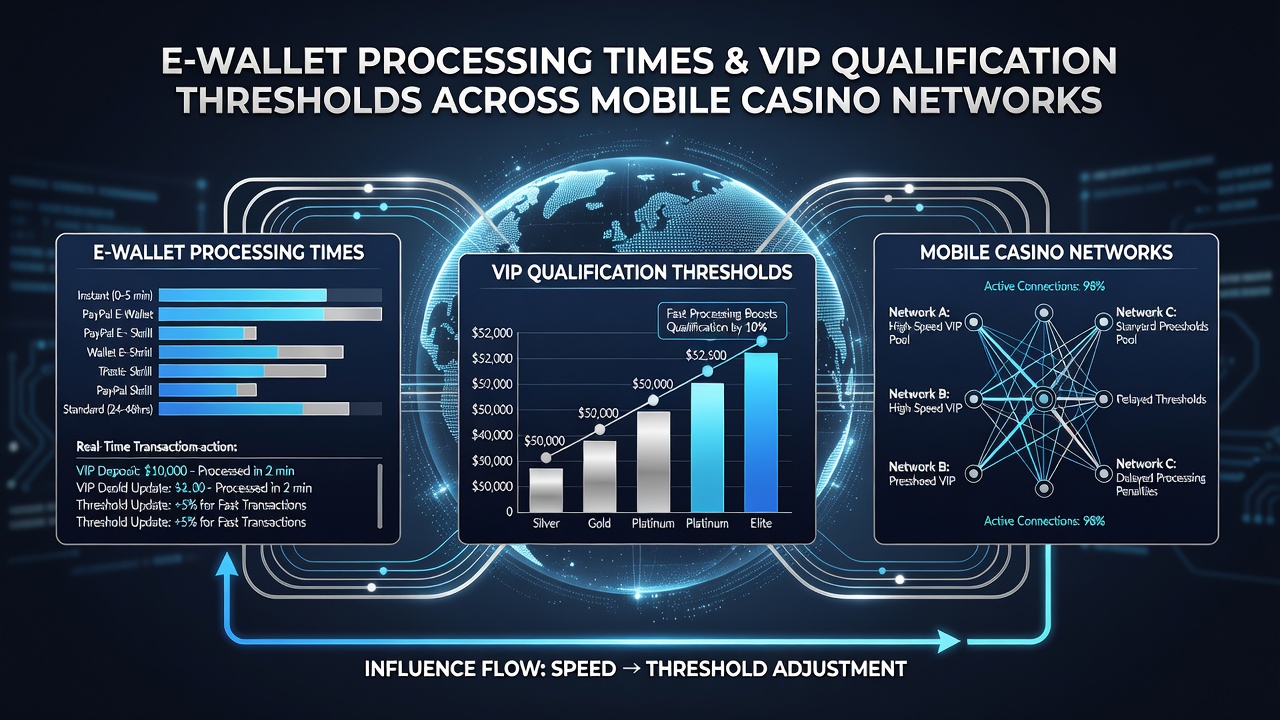
Operators in multiple jurisdictions recalibrate thresholds when new wallet integrations reduce average processing from days to hours, and these recalibrations frequently lower the minimum deposit requirement while raising the associated playthrough multiplier to balance risk exposure. Players notice the effect most clearly during promotional windows, because instant confirmation lets them capitalize on time-limited bonus offers that contribute toward qualification totals before expiration. Networks that maintain legacy batch processing for certain wallets tend to keep thresholds elevated, which channels high-volume users toward preferred instant options and concentrates VIP activity within those faster channels.
Network-Level Adjustments and Data Tracking
Backend systems employed by large mobile casino networks monitor real-time settlement statistics from each e-wallet partner, and these metrics feed into dynamic models that predict how threshold changes will affect tier population sizes. When a wallet provider upgrades its infrastructure to cut processing from 48 hours to under 15 minutes, operators have responded by recalibrating VIP entry criteria within 60 days to reflect the new velocity. Figures released through industry associations indicate that such recalibrations maintain consistent VIP enrollment percentages even as individual player pathways shorten.
Cross-network comparisons reveal that multi-site platforms using unified wallet gateways achieve more uniform qualification timelines than fragmented systems where players switch between disparate payment rails. The Alcohol and Gaming Commission of Ontario has documented how standardized transaction reporting across operators helps identify which wallet categories correlate with faster tier advancement in mobile environments. These reports feed into broader discussions among regulators about maintaining equitable access to loyalty structures regardless of chosen payment method.
Conclusion
E-wallet processing durations continue to serve as a measurable variable in the design of VIP qualification thresholds across mobile casino networks, with faster systems generally supporting lower entry volumes and accelerated progression timelines. Networks track these relationships through automated data pipelines that connect payment settlement records directly to loyalty management platforms. As infrastructure improvements spread, operators adjust thresholds to align with observed transaction velocities while preserving the overall balance between player activity and program sustainability.