Funding Pathways Uncover Surprising Retention Trends in Mobile Live Games
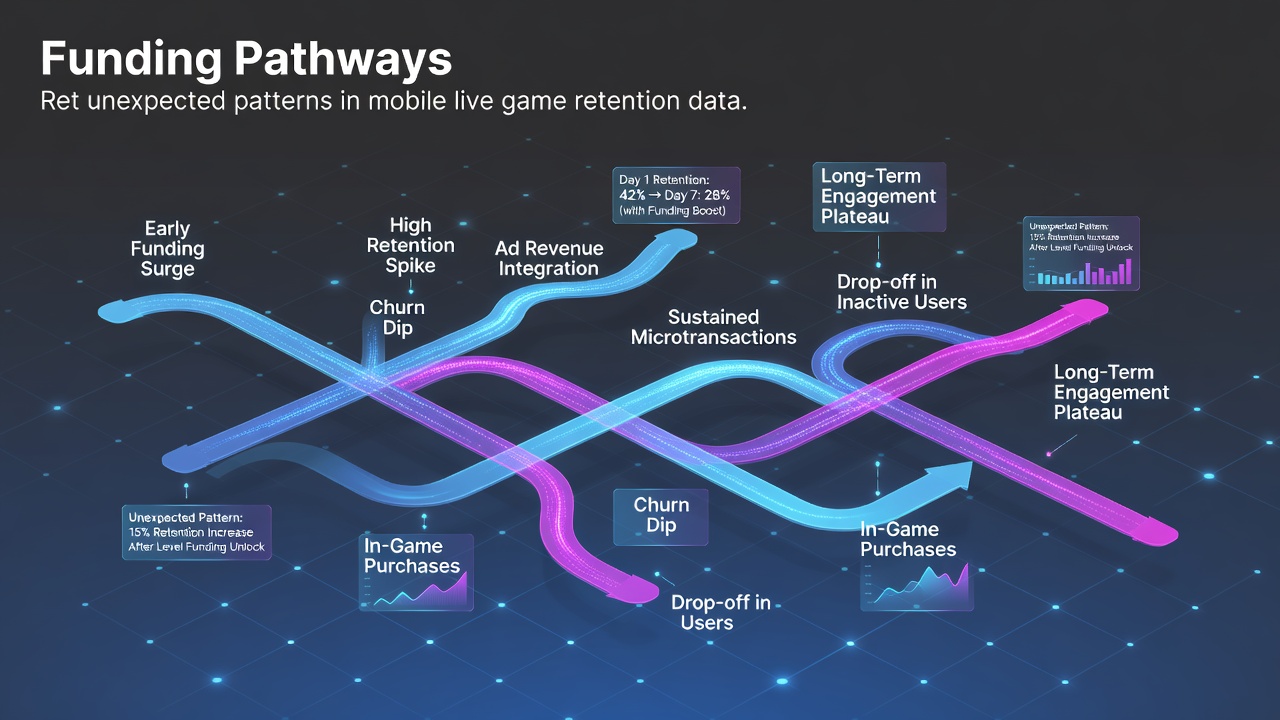
Data from mobile gaming platforms continues to highlight connections between funding pathways and player retention rates in live dealer environments, with analysts noting several patterns that diverge from conventional expectations. Researchers tracking transaction behaviors across handheld devices have identified clusters where specific deposit methods align with extended session durations and repeat engagement in real-time table games.
Transaction Routes and Engagement Metrics
Payment processing channels such as digital wallets, bank transfers, and card-based options display distinct correlations with retention figures, according to aggregated platform statistics released in early 2026. One analysis of user activity logs revealed that players routing funds through instant wallet services maintained active participation in live blackjack and roulette sessions at rates exceeding those using traditional card deposits by noticeable margins, while bank transfer users showed steadier but less frequent logins over multi-week periods.
Observers tracking these trends point to June 2026 reports from industry monitoring groups that documented shifts in mobile live game metrics following updates to transaction verification protocols. These updates, implemented across several major networks, coincided with measurable changes in how quickly players re-engaged after initial deposits, suggesting that processing speed influences the decision to return for subsequent live dealer rounds.
Geographic Variations in Funding Patterns
Regional differences emerge clearly when examining retention tied to funding routes, with data sets from North American and European operators showing varied outcomes. Platforms operating under regulatory frameworks in multiple jurisdictions report that users in areas with higher adoption of cryptocurrency-linked transfers exhibit prolonged retention curves in mobile live game segments compared to those relying solely on fiat-based systems.
Studies compiled by the American Gaming Association indicate that transaction volume spikes often precede sustained play streaks in virtual casino settings, though the strength of this link varies by game type and device operating system. Analysts cross-referencing these figures with player demographics note that age groups between 25 and 34 demonstrate stronger retention responses to streamlined funding options than older cohorts.
Unexpected Correlations in Live Game Data
Retention analytics have turned up several counterintuitive findings regarding the relationship between funding frequency and live game preferences. For instance, players who fund accounts multiple times per week through smaller increments tend to gravitate toward live dealer variants with lower minimum stakes, whereas those making larger, less frequent deposits show higher engagement with high-limit tables. This pattern holds across data samples collected from diverse operator networks and challenges assumptions about deposit size directly predicting overall play duration.
Additional insights from academic reviews, including work referenced through resources at the University of Nevada's gaming research division, suggest that payment method familiarity plays a role in reducing drop-off rates during the first 30 days of mobile live game activity. Users encountering friction in initial funding steps display elevated churn compared to those completing seamless transactions, even when controlling for variables like game variety and promotional incentives.
Platform Adaptations Based on Observed Trends
Operators have begun adjusting interface designs and transaction flows in response to these retention signals, incorporating options that prioritize speed and integration with common mobile banking apps. Figures from the Canadian Gaming Association highlight how such modifications align with broader industry efforts to stabilize player bases amid competitive market conditions in the live dealer mobile sector.
Tracking tools now monitor not only deposit success rates but also the downstream effects on live game session counts, providing operators with granular views of how pathway choices influence long-term metrics. Data collected through these systems continues to feed iterative improvements in user onboarding sequences tailored to different funding preferences.
Conclusion
Patterns linking funding pathways to retention outcomes in mobile live games point to actionable considerations for platform development and regulatory compliance. Continued monitoring of transaction behaviors alongside engagement data offers operators and researchers a clearer picture of factors sustaining player activity across live dealer formats on handheld devices. As new datasets emerge from ongoing platform operations, these connections between payment routes and retention remain central to understanding mobile gaming dynamics.