Integrating Payment Routes with Reward Benchmarks in Handheld Gaming Systems
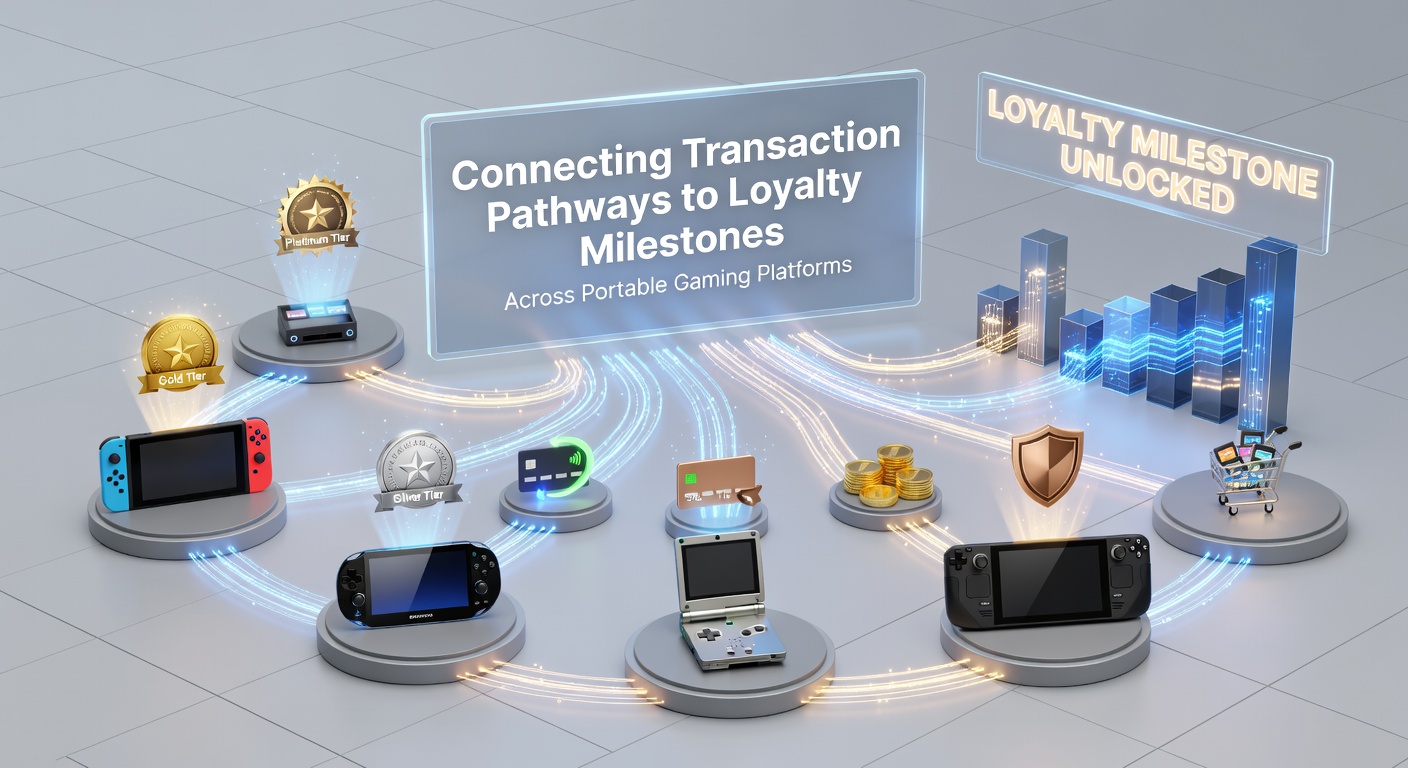
Portable gaming platforms have developed sophisticated methods for linking payment processing systems directly to player achievement markers, creating seamless progressions that span multiple device types and operating systems. Developers route deposits and in-app purchases through unified APIs that automatically update loyalty profiles in real time, allowing milestones such as accumulated spend thresholds or session completion counts to trigger rewards without manual intervention across iOS and Android environments.
Core Mechanisms Behind Payment and Loyalty Integration
Transaction pathways function as data conduits that capture every financial interaction and feed it into centralized loyalty engines, where algorithms match spending patterns to predefined benchmarks like weekly deposit totals or tournament entry fees. This setup enables cross-platform continuity so that a player advancing through tiers on a tablet continues the same progress on a smartphone without resetting counters or losing accumulated points. Research from the American Gaming Association indicates that synchronized systems improve retention metrics by aligning immediate purchases with longer-term reward schedules, particularly when platforms support instant verification of funds and automatic point allocation.
Portable ecosystems rely on secure tokenization to handle these connections while maintaining compliance with regional standards, and operators frequently employ middleware that translates payment confirmations into loyalty events. Observers note that successful implementations track metrics such as average transaction value against milestone intervals, producing data sets that inform future program adjustments across different user demographics.
Platform Variations and Cross-Device Continuity
Android and iOS environments present distinct technical requirements for transaction routing, yet leading gaming providers have standardized loyalty milestone tracking through cloud-based profiles that sync regardless of device origin. A user completing a deposit on one handset sees the corresponding loyalty update reflected instantly when switching to another device, because the backend ledger treats each transaction as a portable event rather than a platform-specific record. This continuity extends to emerging handheld hardware, where developers test compatibility with newer chipsets and operating system updates to prevent disruptions in reward progression.
Studies reveal that platforms employing unified ledgers experience fewer account fragmentation issues, since players maintain single loyalty identities even when alternating between multiple portable devices throughout a single day. Integration layers handle currency conversions and regional payment methods automatically, ensuring milestones remain reachable irrespective of the financial rails utilized.
Industry Data and Retention Patterns in 2026
Figures released in May 2026 from various monitoring bodies show measurable increases in player engagement when transaction pathways feed directly into loyalty structures, with average session lengths extending as users pursue incremental rewards tied to cumulative spending. Portable gaming operators report that milestone visibility within apps encourages repeated interactions, because progress bars and tier indicators update live following each verified payment. One study released by Canadian research institutions found correlations between seamless pathway connections and higher completion rates for loyalty challenges spanning multiple weeks.
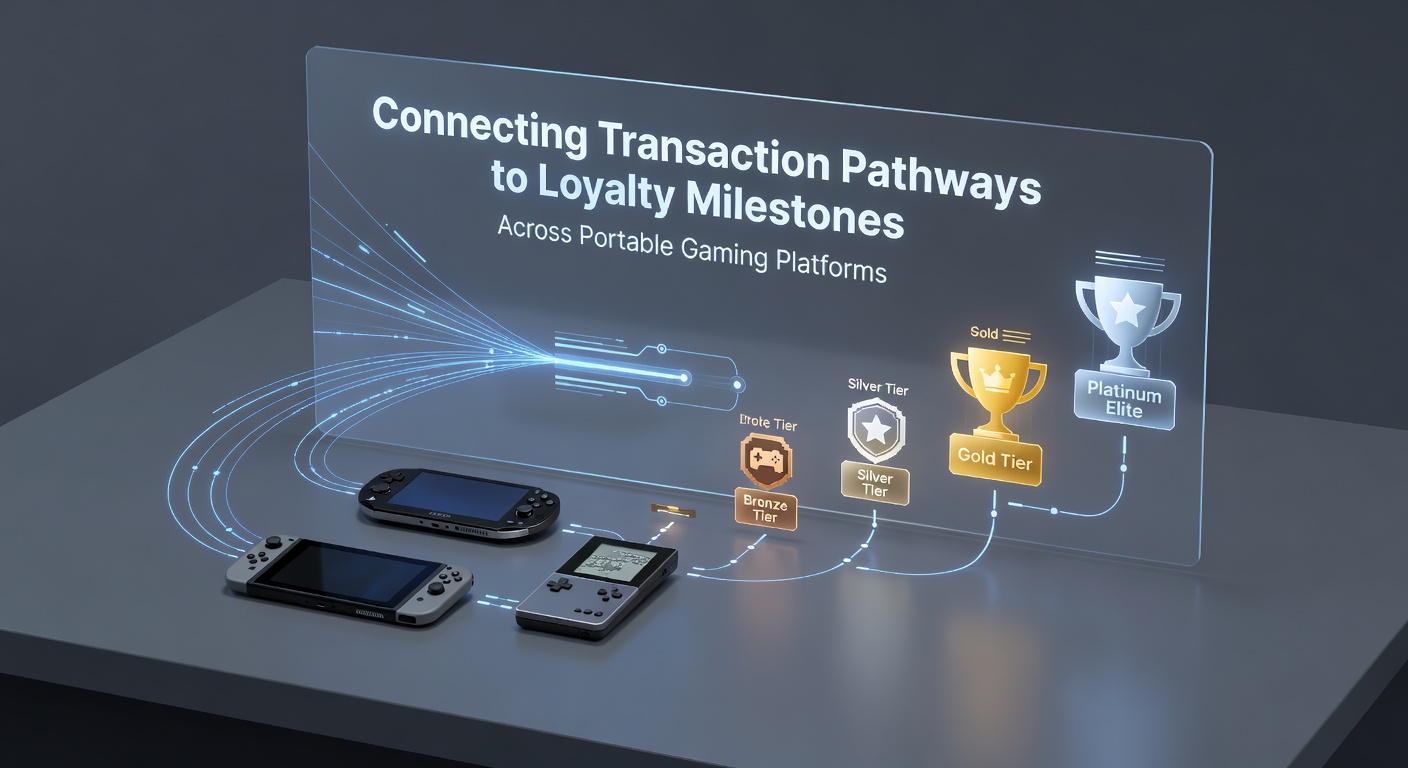
Regional differences appear in how quickly milestones translate into tangible benefits, with some markets requiring additional verification steps before rewards activate. Yet the overall pattern demonstrates that reduced friction between payment confirmation and loyalty credit correlates with sustained participation across portable titles. Data sets compiled by industry analysts continue to track these variables as new payment options, including digital wallets and instant bank transfers, integrate into existing frameworks.
Future Considerations for Developers and Operators
Developers continue refining the technical bridges that connect transaction events to loyalty triggers, testing updates that accommodate evolving security protocols and emerging device capabilities. Observers note that successful programs maintain flexibility so that milestone definitions can shift based on aggregated user behavior without requiring complete system overhauls. Portable gaming platforms that prioritize these integrations position themselves to support expanding player bases while preserving consistent reward delivery across all supported hardware.
Conclusion
Transaction pathways and loyalty milestones now operate as interconnected components within portable gaming ecosystems, enabling real-time updates that span devices and operating systems. Continued refinement of these connections supports measurable retention improvements according to available industry metrics, while cross-platform compatibility ensures players maintain progress irrespective of hardware choices. As payment technologies advance, the alignment between financial interactions and achievement benchmarks remains central to how operators structure engagement across handheld environments.