Interface Nuances Driving Redemption Behaviors in Portable Live Dealer Reward Cycles
Petra Reed · Aug 16, 2026

Interface Nuances Driving Redemption Behaviors in Portable Live Dealer Reward Cycles
Portable platforms hosting live dealer games have incorporated layered interface components that shape how players interact with reward systems, and observers note these design choices influence redemption frequency across mobile ecosystems. Research indicates that elements such as button placement, progress visualization, and notification timing directly correlate with user actions in reward cycles, while data from industry reports shows measurable shifts in behavior patterns during peak usage periods.
Button Placement and Visual Hierarchy Effects
Studies have found that positioning redemption buttons within thumb-reach zones on vertical screens increases completion rates, because players encounter fewer navigation barriers during live sessions. Those who analyzed app telemetry across multiple operators discovered that high-contrast call-to-action elements draw attention faster than subdued alternatives, leading to quicker reward claims in blackjack and roulette environments. Experts tracking user sessions in August 2026 reported consistent patterns where clustered icons near the main game feed prompted more immediate redemptions compared to menu-hidden options.
Progress Indicators and Real-Time Feedback Loops
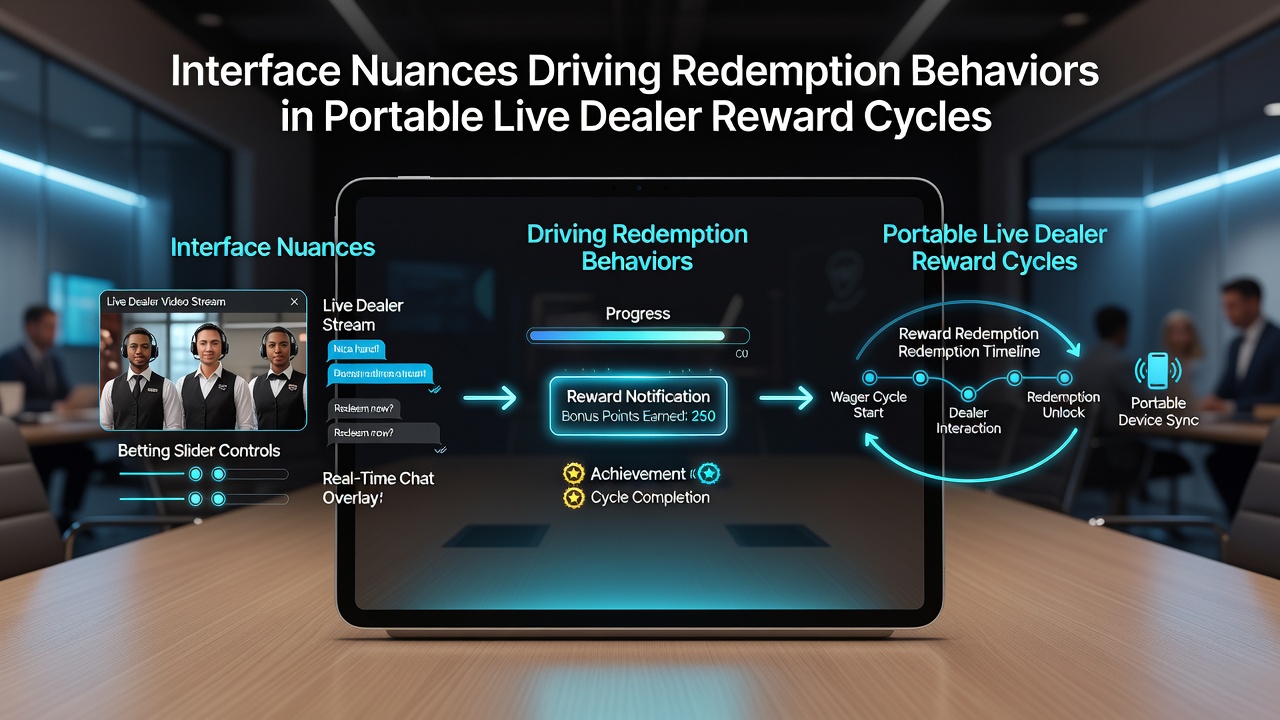
Progress bars that update during ongoing dealer rounds provide continuous visual cues, and this approach connects reward milestones to active gameplay without requiring separate menu access. Data shows that animated counters displaying accumulating points sustain engagement longer, since players receive immediate confirmation of progress toward the next tier. Researchers who examined retention metrics across portable live dealer titles observed that delayed feedback reduced redemption attempts, whereas synchronized updates aligned with game outcomes encouraged repeated interactions within the same session.
Notification Timing and Contextual Prompts
Push notifications timed to coincide with bonus round endings have demonstrated higher interaction volumes, because they interrupt at moments when reward relevance peaks. Industry figures reveal that personalized prompts referencing current game type, such as live roulette streaks, outperform generic messages in driving redemptions. Observers have noted that over-notification risks disengagement, yet balanced delivery schedules maintain steady user responses without overwhelming screen real estate.
One analysis of multi-device usage patterns indicated seamless transitions between phone and tablet interfaces preserve redemption momentum, since saved states carry over without additional authentication steps. Figures from regulatory summaries in various jurisdictions highlight that transparent terms displayed inline with redemption flows reduce abandonment at the final confirmation stage.
Adaptive Layouts Across Device Orientations
Layouts that adjust dynamically when users rotate devices maintain access to reward panels without forcing reorientation, and this fluidity supports uninterrupted cycles in live environments. Evidence suggests portrait-dominant interfaces favor compact reward summaries that expand on demand, whereas landscape modes integrate side panels for detailed history views. Those examining session data across regions found that orientation-aware designs correlate with higher completion percentages during extended play periods.
Payment pathway integrations within the same interface layer further streamline redemptions, as players move from game to payout selection without exiting the live dealer view. Reports from the New Jersey Division of Gaming Enforcement document how streamlined flows in mobile applications align with overall transaction volume increases observed through mid-2026. Similar patterns appear in analyses from the Australian Gambling Research Centre, where interface consistency across operators linked to sustained redemption activity.
Accessibility Features and Broader User Reach
Font scaling options and high-contrast modes extend reward interface usability to wider audiences, because these adjustments accommodate varying screen conditions and user preferences. Research indicates that voice-guided redemption prompts in select applications have expanded participation among players who favor hands-free interactions during live sessions. Observers tracking adoption rates note gradual integration of these features across major platforms, with measurable upticks in successful redemptions following implementation.
Conclusion
Interface nuances continue to evolve as operators refine portable live dealer environments, and ongoing data collection tracks how these adjustments reshape redemption behaviors over time. Patterns identified through session analytics and regulatory reporting provide concrete benchmarks for understanding user responses within reward cycles, while August 2026 updates from multiple markets underscore the ongoing relevance of design precision in sustaining engagement across mobile ecosystems.