International Transaction Systems Elevating Reward Structures in Virtual Blackjack and Roulette Environments
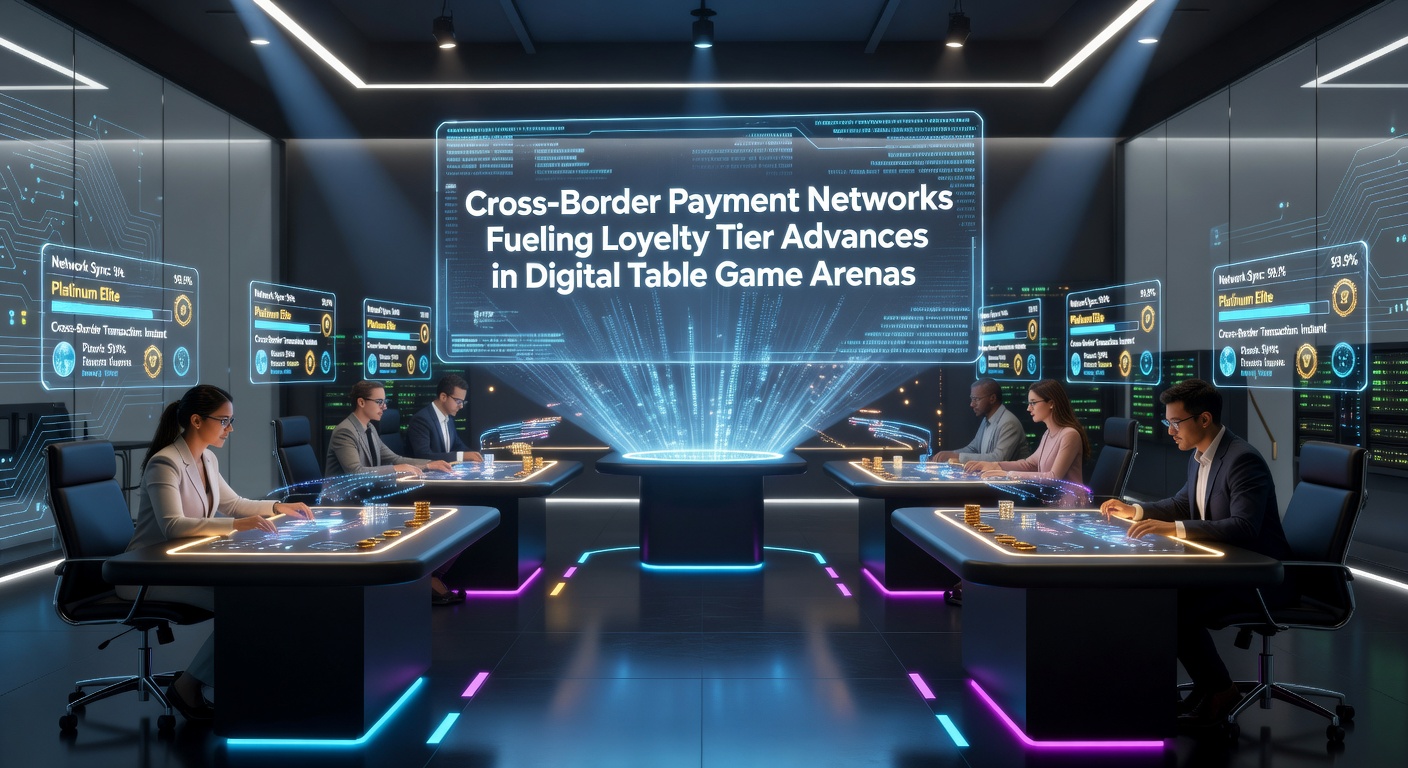
Cross-border payment networks have expanded their reach into digital table game platforms over recent years, connecting players across multiple jurisdictions while streamlining deposit and withdrawal processes that directly influence loyalty tier progression. These systems handle currency conversions and regulatory compliance in real time, allowing participants in virtual blackjack, poker, and roulette environments to maintain consistent play sessions regardless of geographic location. Data from industry transaction volumes shows steady growth in cross-border activity, particularly in markets where online table games attract international audiences.
Mechanics of Global Payment Integration
Payment processors such as those utilizing SWIFT messaging protocols alongside emerging fintech rails manage the flow of funds between operators licensed in different regions, and this setup reduces settlement times from days to hours in many cases. Players who engage in table games hosted on platforms accessible from multiple countries benefit when deposits clear instantly, which keeps bankrolls active and points accumulation uninterrupted. Observers note that loyalty programs track these transactions through unified player accounts, awarding tier credits based on both wager volume and frequency of international play.
Regulatory frameworks in various jurisdictions require verification steps during cross-border transfers, yet networks equipped with automated compliance tools complete these checks without significant delays. In May 2026, several major operators reported higher engagement metrics after implementing enhanced payment gateways that support multiple currencies and local banking partners simultaneously. This development allowed users from Europe and North America to participate in the same digital tables while earning toward the same reward tiers.
Impact on Tier Advancement Patterns
Loyalty structures in digital table game arenas typically include multiple levels that unlock benefits ranging from cashback percentages to dedicated account managers, and faster payment processing accelerates the movement between these levels. Research indicates that players utilizing cross-border options complete qualifying wagers at higher rates because transaction friction decreases substantially. One analysis of platform data revealed that international users reached mid-tier status 18 percent quicker on average compared to those limited to domestic payment methods.
Table game environments present unique opportunities for tier advancement since rounds often involve higher average stakes than slot play, and seamless funding supports sustained participation. Payment networks that incorporate real-time fraud detection maintain security standards while permitting larger transfer amounts, which aligns with the spending patterns observed among serious table game enthusiasts. Those who have examined user behavior patterns find that reduced processing windows encourage repeat logins and extended sessions.

Regional Examples and Network Adoption
Operators serving audiences across the Asia-Pacific region have integrated payment solutions compliant with local banking regulations, enabling Australian and Japanese players to fund accounts on the same European-hosted table game servers. According to figures published by New Zealand's Department of Internal Affairs, cross-border transaction volumes in licensed online environments grew notably during the first quarter of 2026. This growth correlates with expanded loyalty offerings that recognize play originating from multiple countries under single unified programs.
North American platforms have adopted similar approaches following updates to interstate compact agreements, which permit certain table game offerings to accept participants from neighboring states through verified payment channels. Industry reports from the New Jersey Division of Gaming Enforcement document increased average session lengths among users leveraging these networks. Tier benefits such as accelerated point multipliers apply uniformly, regardless of the player's registered location.
Future Considerations for Platform Operators
Operators continue to refine their payment partnerships to accommodate emerging digital currencies and instant settlement technologies, which further compress the time between wager placement and loyalty credit posting. This refinement matters because many reward structures now calculate tier status on rolling 30-day windows rather than calendar months. Data shows that platforms offering the broadest range of cross-border options retain higher percentages of table game players at premium tiers.
Collaboration between payment providers and gaming software developers has produced application programming interfaces that automatically sync transaction records with loyalty management systems. These integrations eliminate manual reconciliation steps and reduce errors that previously delayed tier updates. Participants in virtual environments notice these improvements through quicker access to personalized offers tied to their current status level.
Conclusion
Cross-border payment networks have become integral components of loyalty advancement mechanisms within digital table game arenas by enabling reliable, compliant fund movements that support continuous player engagement. Transaction data and regulatory filings demonstrate measurable effects on tier progression timelines, particularly as operators expand their geographic reach. Continued evolution in these systems will likely shape how reward structures develop in coming periods.