Multi-Channel Funding Options Influencing Loyalty Progression in Live Dealer Gaming
Parker Keller · Aug 2, 2026
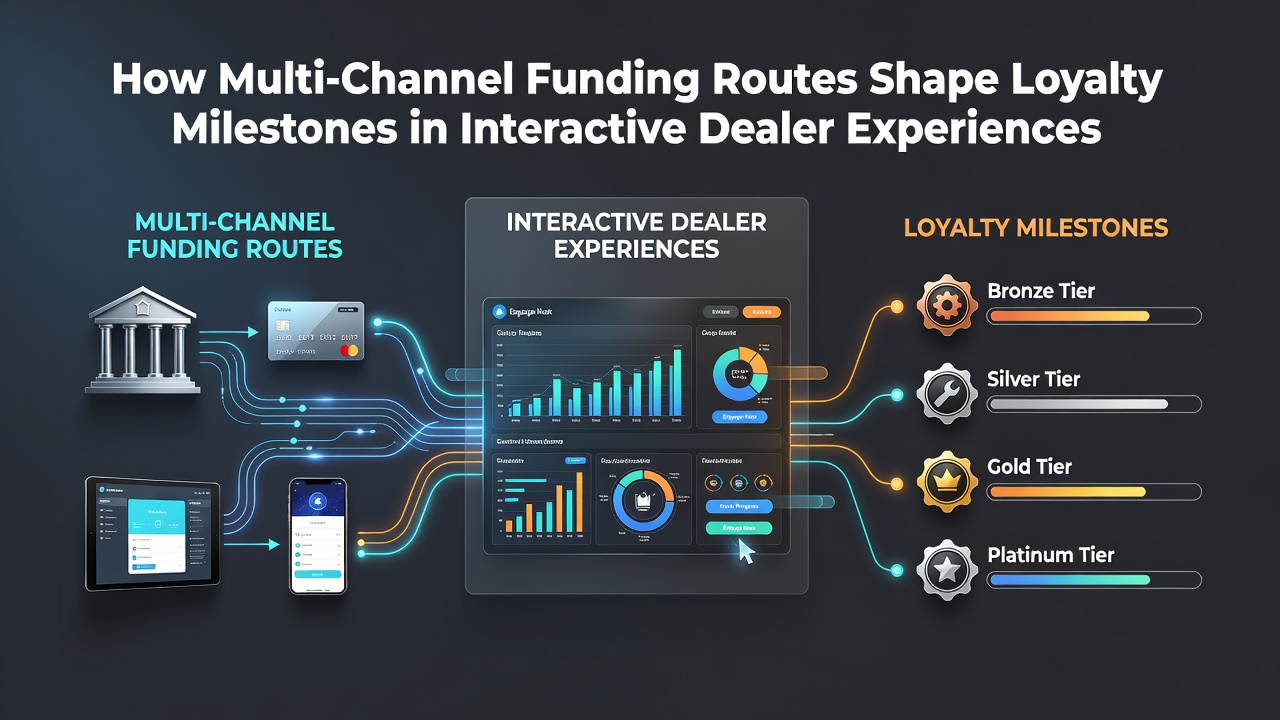
Multi-Channel Funding Options Influencing Loyalty Progression in Live Dealer Gaming
Payment pathways in interactive dealer environments connect directly to how players advance through loyalty structures, with multiple funding routes enabling faster deposits and more consistent participation across live blackjack, roulette, and baccarat tables. Industry data from 2025 shows that platforms offering credit cards alongside e-wallets and bank transfers recorded higher average session lengths compared to single-channel systems, because players encounter fewer interruptions when moving funds into active games.
Payment Integration and Tier Advancement Patterns
Operators have observed that loyalty milestones such as bronze-to-silver upgrades often tie to deposit frequency and total volume, metrics that accelerate when users can select from several verified methods in one interface. A 2026 analysis released by the Nevada Gaming Control Board indicated that sites supporting instant bank transfers alongside traditional cards saw a measurable rise in players reaching mid-tier rewards during the first quarter, particularly in live dealer sections where real-time interaction rewards consistent play.
Those who study retention metrics note that varied channels reduce friction at the deposit stage, allowing loyalty points to accumulate without the delays that once occurred when only one processor handled all transactions. This matters because live dealer sessions frequently run on continuous schedules, and players who top up mid-game maintain their position in reward tracks that unlock exclusive tables or cashback percentages.
Regional Regulatory Influences on Funding Routes
Regulators in different jurisdictions have shaped how these channels operate within loyalty frameworks. The Casino Regulatory Authority of Singapore updated its guidelines in early 2026 to require clear disclosure of processing times for each payment option, which operators then linked to loyalty dashboard updates so players could anticipate when their next milestone would register. Similar transparency measures appeared in reports from the Malta Gaming Authority, where data showed that multi-route systems correlated with steadier progression rates across monitored live dealer products.
August 2026 brought additional clarity when several North American platforms aligned their loyalty engines with new reporting standards from the New Jersey Division of Gaming Enforcement, making deposit source tracking part of tier verification. Players using crypto options alongside fiat routes reported reaching reward thresholds on schedules that matched their preferred funding speed, according to aggregated platform statistics shared at industry forums.
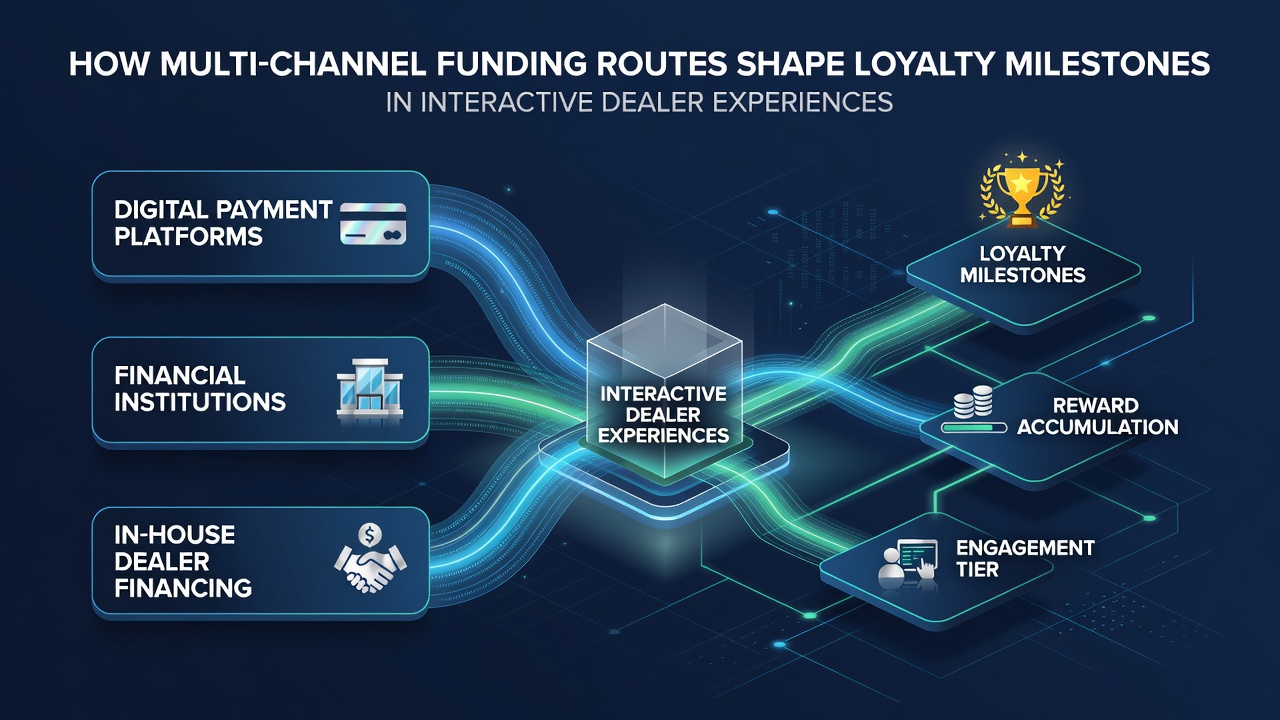
Technical Links Between Deposits and Reward Triggers
Backend systems now map each funding route to specific loyalty triggers, so a deposit via digital wallet might credit points instantly while a bank wire processes over several hours yet still counts toward the same milestone window. Research compiled by the University of Nevada, Reno gaming laboratory found that these mapped connections increased the percentage of players completing seasonal challenges in live dealer environments by aligning transaction logs with engagement logs in real time.
Case examples include platforms that introduced tiered bonuses tied to channel variety, where using three distinct methods within a month unlocked higher cashback rates on roulette wagers. Observers tracking these programs report that the structure encourages exploration of available routes without forcing players into unfamiliar processors, because each option feeds the same underlying loyalty meter.
Future Tracking of Channel Performance
Continued monitoring by gaming associations shows that platforms maintaining at least four active funding channels sustain longer loyalty cycles, especially when live dealer traffic peaks during evening hours across multiple time zones. Data collected through 2026 indicates that seamless switching between routes correlates with fewer abandoned sessions, because players facing temporary limits on one method can pivot without losing accumulated progress toward the next reward level.
Conclusion
Multi-channel funding routes have become embedded in the mechanics that determine how quickly loyalty milestones appear in interactive dealer experiences, with regulatory updates and platform integrations shaping the pace and visibility of those advances. Reports from multiple regions confirm that diversified payment options feed directly into retention metrics when systems log deposits against reward thresholds without manual intervention. As operators refine these connections, the relationship between funding flexibility and tier progression continues to define participation patterns in live dealer settings.