Privilege Structures Shape Game Preferences in Mobile Wagering Ecosystems
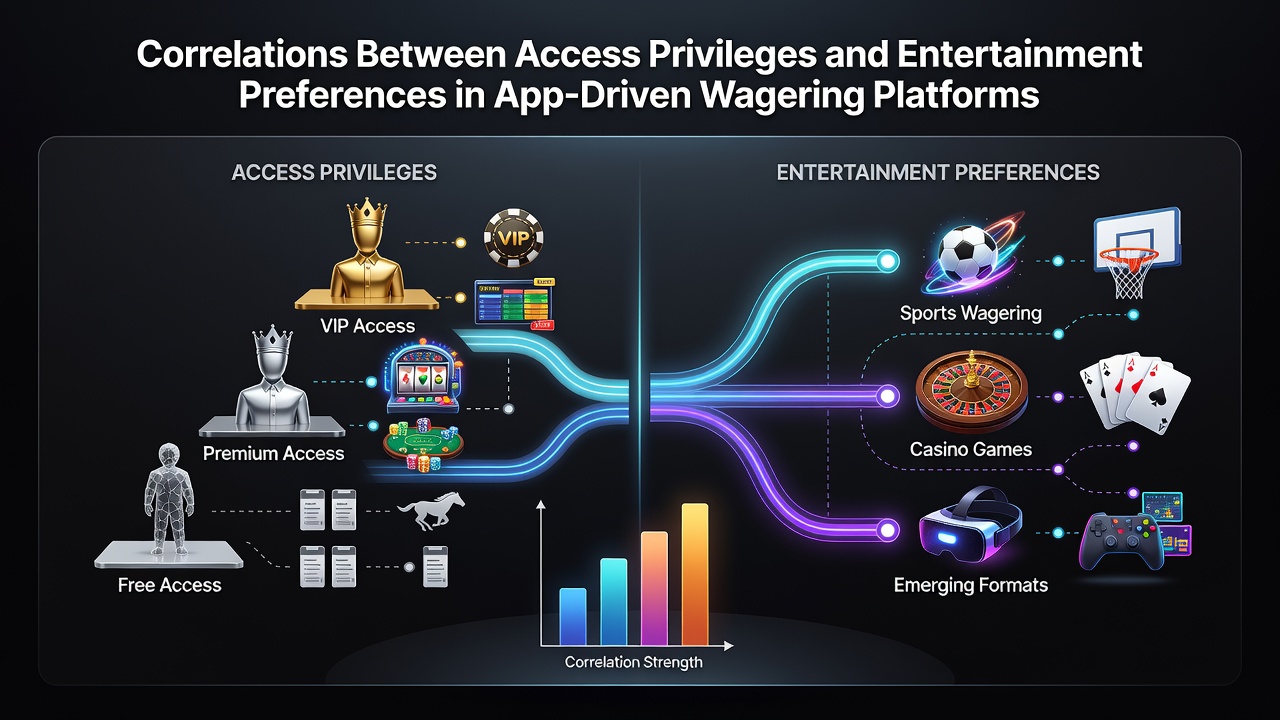
Access privileges in app-driven wagering platforms create distinct patterns in how users select entertainment options, with data revealing consistent correlations between tier levels and preferred game types. Platform analytics from multiple operators show that basic account holders gravitate toward high-volume slot titles, whereas elevated privilege tiers correlate with increased engagement in live dealer formats and table games that offer higher stakes and personalized features.
Researchers tracking user behavior across several major mobile platforms have documented these shifts through aggregated session data. Accounts at entry levels demonstrate shorter play durations concentrated on automated games, while users who unlock advanced privileges extend their sessions into interactive environments that require real-time decisions and host interactions.
Data Patterns Across Tier Levels
Figures released in mid-2026 highlight how privilege upgrades coincide with measurable changes in content consumption. Mobile operators report that once users reach mid-tier status, slot engagement drops by noticeable margins as live roulette and blackjack selections rise. This transition appears tied to reward structures that grant exclusive access to private tables and customized game variants only available at higher levels.
One dataset compiled from North American platforms indicates that VIP account holders allocate over 60 percent of their playtime to live dealer offerings, compared to under 20 percent among standard users. These statistics emerge from anonymized tracking that links privilege status directly to menu navigation choices and session logs.
Regional Reports adn Industry Metrics
According to information published by the New Jersey Division of Gaming Enforcement, mobile wagering activity in the first half of 2026 showed elevated live game participation among users who qualified for loyalty-based access upgrades. The same report notes that slot volumes remained dominant among accounts without those privileges, creating clear segmentation in entertainment preferences.
Additional insights from Canadian provincial regulators reveal parallel trends in Ontario's regulated iGaming market, where tier progression aligns with shifts toward poker variants and baccarat rooms that feature enhanced betting limits. Observers note that these patterns hold steady across different demographic groups, suggesting the correlation stems more from access mechanics than from individual player backgrounds.
Privilege Mechanisms Driving Selection Shifts
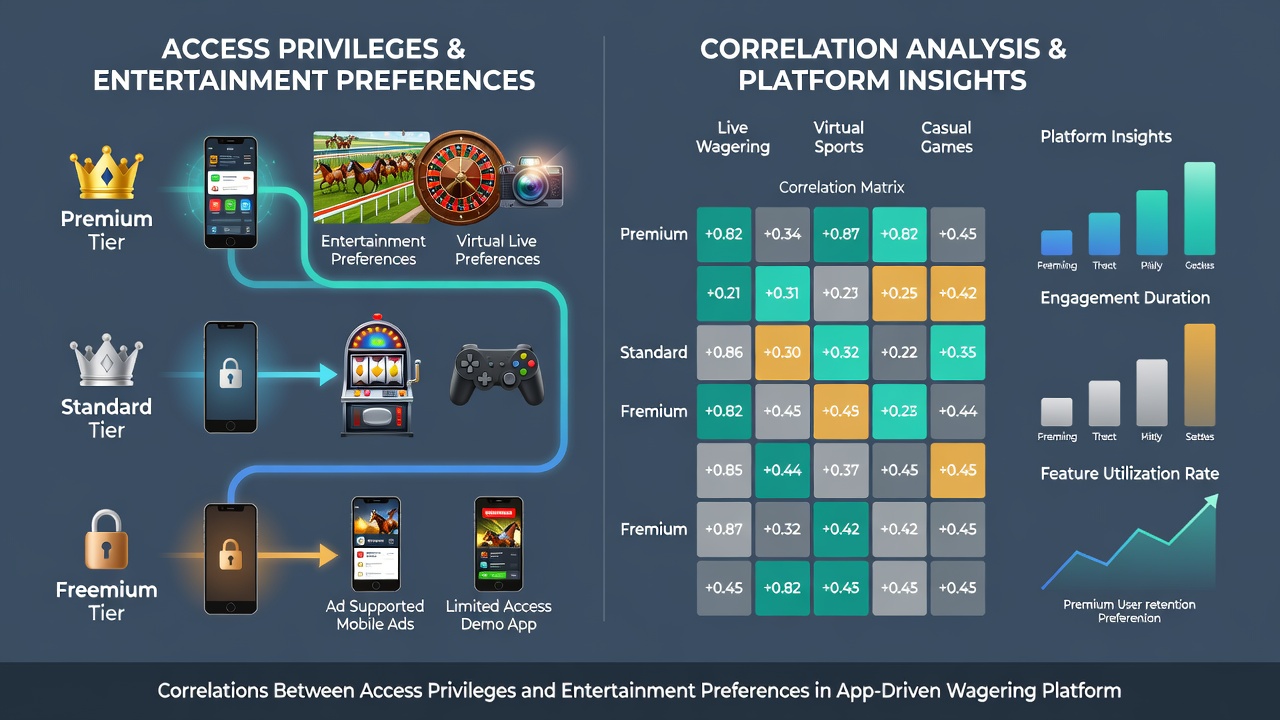
Platform developers implement access controls through progressive reward systems that unlock game categories incrementally. Users who accumulate points or meet deposit thresholds gain entry to specialized lobbies, and tracking data shows immediate adjustments in play patterns once those doors open. This structure produces predictable outcomes where higher-privilege accounts migrate away from mass-market slots toward experiences that emphasize exclusivity and direct interaction.
Studies conducted by academic teams at institutions focused on digital behavior have examined these mechanics in controlled analyses. Their findings indicate that the introduction of tier-specific content not only changes game selection but also extends overall engagement time, as privileged users explore options unavailable to lower-tier accounts. July 2026 updates to several operator dashboards further confirmed these longitudinal trends through updated heat maps of user navigation.
Platform Architecture and User Pathways
App architecture itself reinforces these correlations by surfacing recommended content based on current privilege status. Algorithms prioritize live tables for upgraded accounts while directing newer users toward slot carousels, creating self-reinforcing loops that match observed preferences. Operators maintain that these designs optimize retention, yet the resulting data sets continue to demonstrate strong statistical links between access level and entertainment category.
Take the example of one major European operator that adjusted its tier thresholds in early 2026. Post-adjustment metrics showed accelerated movement toward table games among users who crossed into new privilege brackets, with session data reflecting immediate preference realignment rather than gradual change. Similar adjustments in Australian markets produced comparable results according to industry monitoring groups.
Conclusion
Evidence from regulatory filings and platform analytics establishes clear connections between access privileges and entertainment preferences across app-driven wagering environments. These patterns appear consistently in data from multiple jurisdictions and continue to inform how operators structure their tier systems and content delivery. As mobile platforms evolve their privilege frameworks, ongoing measurement of user behavior will likely sustain documentation of these correlations well into future reporting cycles.