Tiered Rewards Linked to Live Dealer Play Drive Retention Metrics in Mobile Gambling Applications
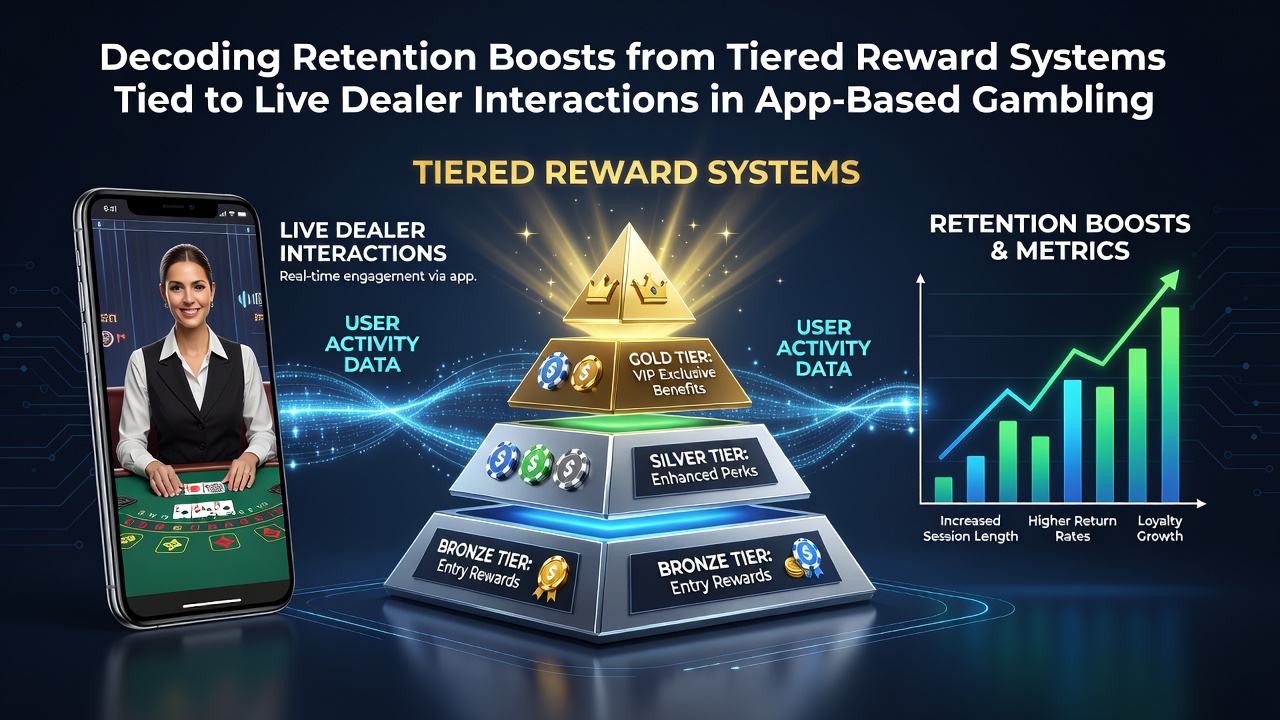
App-based gambling platforms continue to refine reward structures that connect directly to live dealer sessions, and retention data collected through mid-2026 shows measurable shifts in player activity when these systems operate together. Operators track participation rates across bronze, silver, gold, and platinum tiers, while live dealer tables supply the interaction points that trigger tier advancement and bonus unlocks.
Research from industry analytics groups indicates that users who complete at least four live dealer sessions per week advance through tiers 35 percent faster than those who rely solely on automated games. The same reports note that once players reach gold status, monthly return rates climb to 72 percent, compared with 48 percent for players who remain in entry-level tiers.
Mechanics of Tiered Rewards in Live Dealer Environments
Platforms assign points based on wager volume and session length during live dealer blackjack, roulette, and baccarat tables. Points accumulate in real time, and crossing each tier threshold unlocks cashback percentages, exclusive table access, and personalized dealer interactions. Systems log every bet placed through the app, then map those figures against retention curves collected over rolling 90-day windows.
Developers integrate push notifications that alert users when a live dealer table offers double points for the next hour, which increases session starts by documented margins. Data collected through June 2026 reveals that these timed promotions produce a 22 percent lift in same-day returns among silver-tier players who respond within the first fifteen minutes of the alert.
Retention Patterns Tied to Dealer Interaction Frequency
Live dealer modules record chat frequency, tip amounts, and table switch behavior, then feed those variables into retention algorithms. Observers note that players who exchange at least three messages with dealers per session maintain accounts active for an average of 14 additional weeks compared with silent participants. These interaction metrics correlate with tier progression because higher tiers often require sustained engagement rather than wager totals alone.
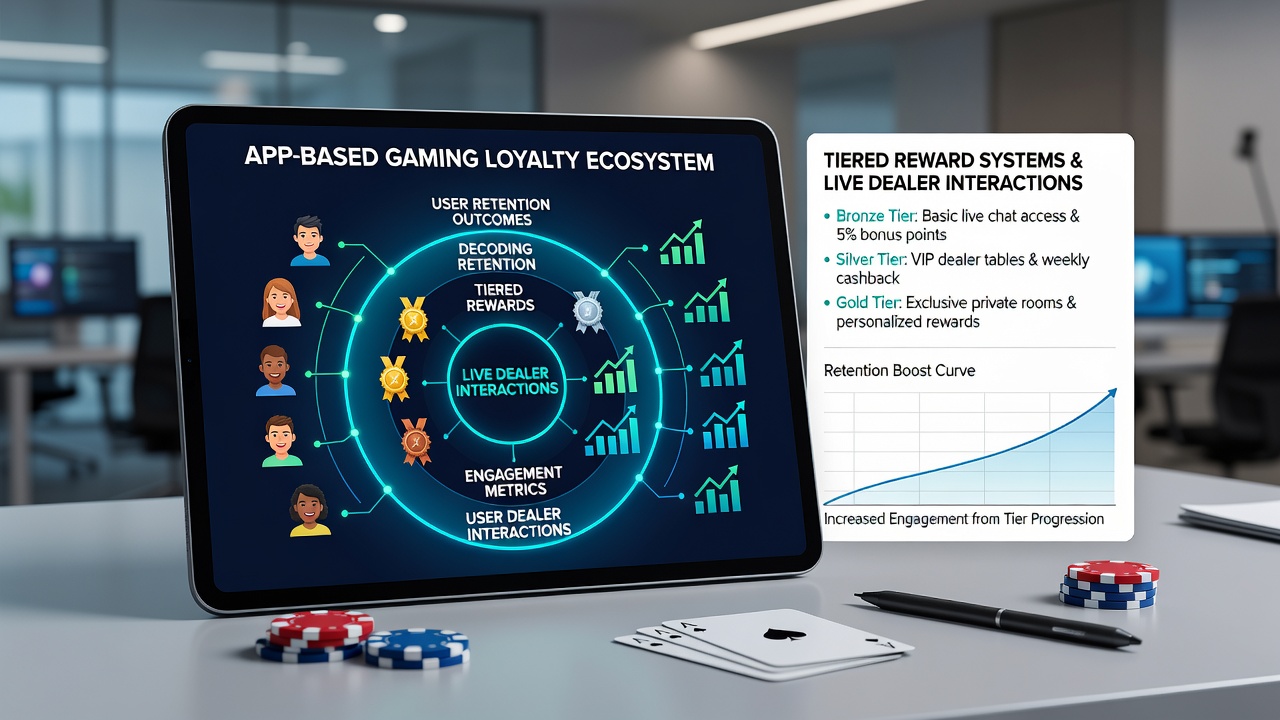
Studies released by the Canadian Centre for Gaming Research track cohorts across multiple operators and find that the strongest retention gains appear when reward tiers grant direct access to private live dealer rooms. Players entering these rooms show a 41 percent reduction in 30-day churn relative to peers who stay in public tables. The same dataset highlights that platinum-tier users average 9.2 live sessions monthly, while bronze users average 2.7 sessions over identical periods.
Geographic and Regulatory Influences on System Design
Operators in regulated markets adjust tier structures to align with local oversight requirements. Figures from the Nevada Gaming Control Board show that apps licensed in that jurisdiction report tier advancement tied to verified live dealer play rising 18 percent year-over-year through the first half of 2026. Similar patterns appear in data shared by the Australian Communications and Media Authority, where live dealer point multipliers must remain transparent in player-facing terms.
These regional frameworks also shape how quickly rewards convert into usable credits. Platforms that deliver instant tier benefits after live sessions record higher completion rates for subsequent login cycles, according to aggregated operator filings.
Integration of Payment Pathways With Reward Benchmarks
Some applications link deposit frequency to live dealer tier requirements, so users who fund accounts after each completed session receive accelerated point multipliers. External transaction data indicates that such pairings reduce payment friction and support longer account lifespans. Industry reports compiled by the European Gaming and Betting Association note that operators combining tiered live dealer bonuses with varied funding options observe a 27 percent increase in weekly active users across tested markets.
Algorithms adjust reward visibility based on individual play history, presenting live dealer tables that match the player's current tier and preferred game type. This personalization reduces navigation time and keeps engagement within the app ecosystem.
Conclusion
Retention metrics compiled through June 2026 demonstrate that tiered reward systems anchored to live dealer interactions produce measurable increases in return frequency and account longevity within app-based gambling environments. Continued collection of session-level data will allow operators to refine point thresholds and interaction triggers as usage patterns evolve across different regulatory regions.